
Planning
How Difficult Is the Mardi Himal Trek?
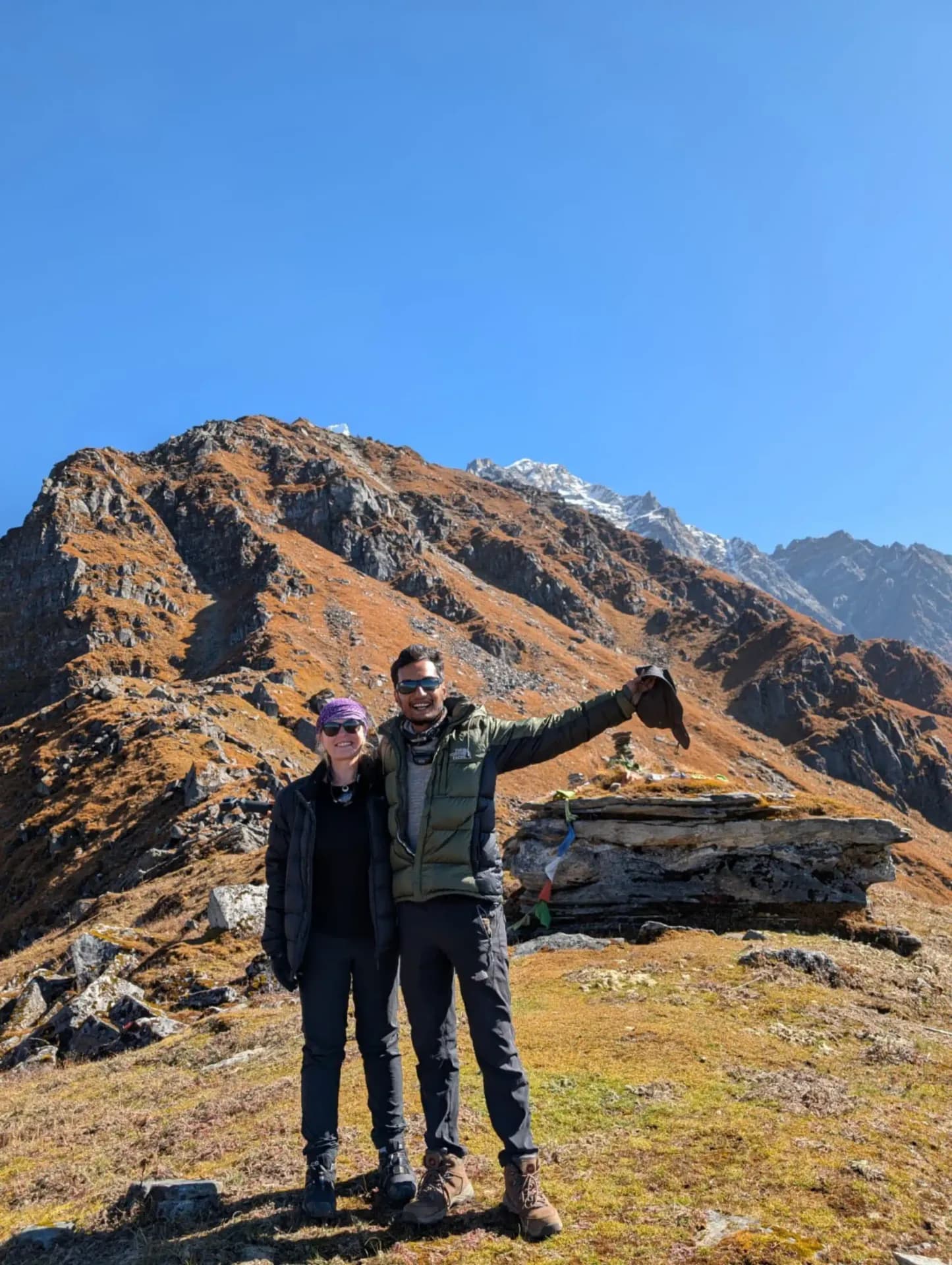
Mardi Himal is rated moderate. There is no technical climbing, no glacier travel, and no scrambling on the standard route to the Upper Viewpoint. The difficulty is about stamina, not skill.
Here is an honest look at what makes it hard, what does not, and how to arrive ready.
Key takeaways
- Expect four to seven hours of walking a day over four to five days.
- The hardest stretch is Forest Camp to High Camp, a sustained climb.
- Maximum sleeping altitude is 3,550m, low enough that serious altitude sickness is uncommon.
- A month of regular cardio beforehand makes the trek comfortable.
What makes Mardi Himal challenging
The challenge is cumulative fitness across consecutive uphill days, mostly on stone steps and ridge paths. The steepest sustained climb is between Forest Camp and High Camp, roughly 930 vertical metres in a single day. Above High Camp, the path to the Upper Viewpoint is gentler in gradient, but thinner air makes the final hour feel harder than the numbers suggest.
The descent is its own test. Day four drops a long way to Sidding village, which is hard on the knees, so trekking poles earn their place.
How fit do you need to be?
You should be comfortable walking five to seven hours on uneven ground for several days in a row. A month or two of regular cardio before you arrive, running, cycling, hill walking, or stair climbing, makes the difference between enjoying the trek and grinding through it. Lower-body strength helps most on the long descent.
Is Mardi Himal good for beginners?
It is one of the best first Himalayan treks in Nepal. The modest sleeping altitude, well-marked trail, and short duration make it forgiving, and our guides set a pace that suits the group. Active families with teenagers complete it comfortably in five days.
Altitude on Mardi Himal
Because you sleep no higher than 3,550m, the altitude risk is low. Mild symptoms can appear on the push to the 4,200m viewpoint or the 4,500m base camp, but these usually ease on descent. Our guides carry a pulse oximeter, watch for early signs, and will always choose descent over pushing on.
