
Planning
Best Time for the Mardi Himal Trek
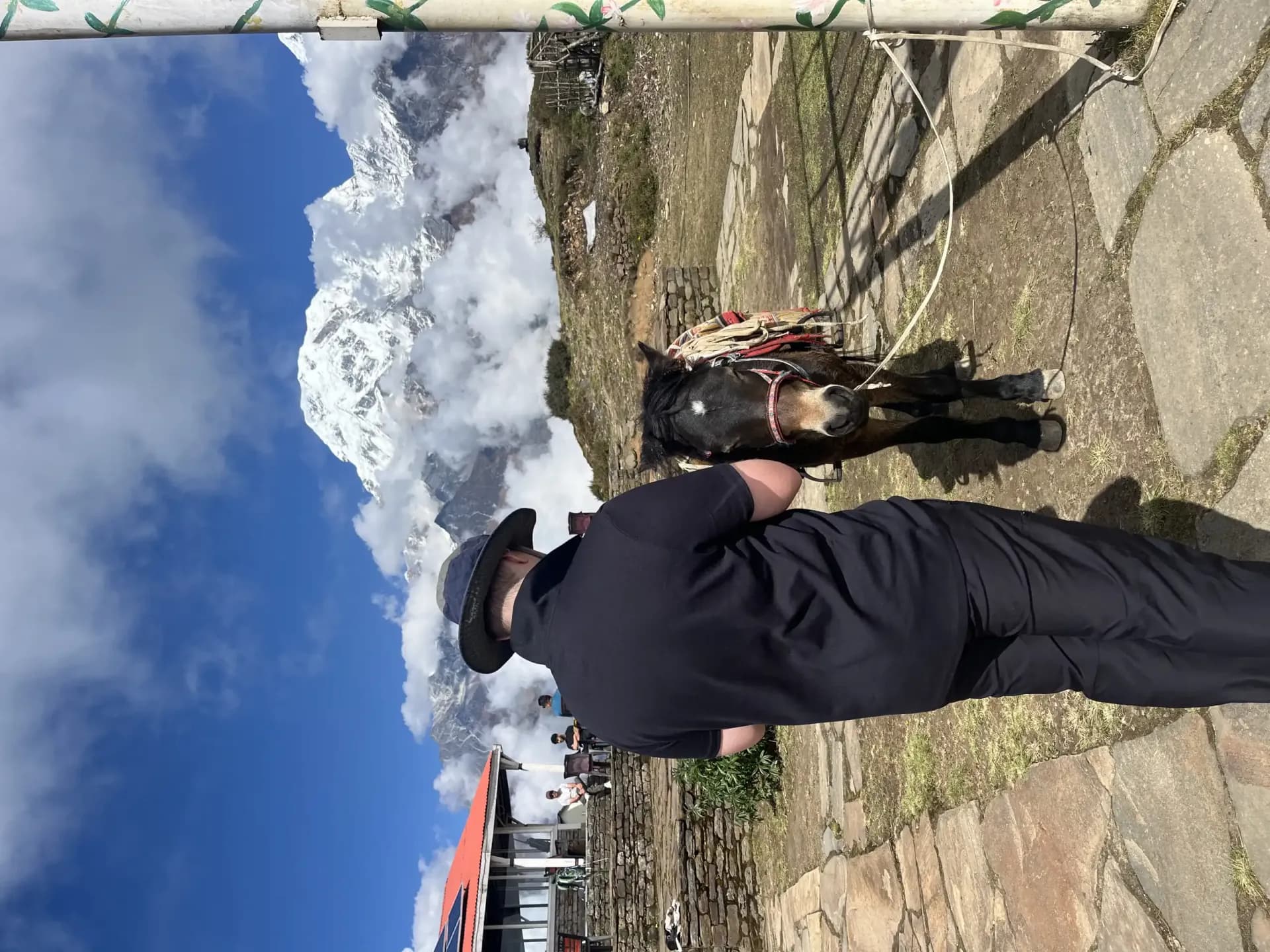
Mardi Himal exists for its views, so timing matters more here than on a lower forest trek. The wrong window means walking a beautiful ridge inside a cloud.
The two prime seasons are autumn and spring. Here is how each month actually feels on the trail.
Key takeaways
- Autumn (late September to November) gives the clearest, most stable skies.
- Spring (March to May) brings the rhododendron bloom and warmer nights.
- Winter is trekkable but cold, with possible snow above Forest Camp.
- We avoid the June to August monsoon, when cloud hides the peaks.
Season by season
| Season | Months | What to expect |
|---|---|---|
| Autumn | Late Sep to Nov | Clearest skies, stable weather, peak season |
| Spring | Mar to May | Rhododendron bloom, warmer, some afternoon haze |
| Winter | Dec to Feb | Cold nights, possible snow up high, very quiet |
| Monsoon | Jun to Aug | Rain, leeches low down, clouded views |
Mardi Himal trekking conditions through the year.
Autumn: the clearest views
After the monsoon washes the haze out of the air, late September through November delivers the sharpest mountain views of the year. Days are mild, nights are cold but manageable, and the trail is busiest. Book ahead, because High Camp fills quickly in October.
Spring: colour on the hillsides
March to May is the other great window. The rhododendron forest between Dhampus and Forest Camp blooms red and pink, and nights are warmer than autumn. Afternoons can build a little haze, so the early-morning viewpoint push matters even more.
Winter and monsoon
December to February is cold and quiet, with the chance of snow above Forest Camp that can add real atmosphere but needs warmer kit and sometimes microspikes. June to August is monsoon: green and empty, but the views you came for are usually hidden, so we steer most trekkers away from it.
