Everest Base Camp Trek
Trek at a Glance
Price From
Contact for pricing
Duration
12–14 days
Trip Grade
Challenging
Max. Altitude
5,364m
Best Season
Mar–May, Sep–Nov
Group Size
1–12 pax
Region
Everest
Accommodation
Tea House & Hotel
Meals
Included
Start / End Point
Kathmandu
Permits
Sagarmatha NP permit, TIMS card
Everest Base Camp Trek Overview

Itinerary designed by Rohit Timilsina, Co-Founder & Lead Guide Verified local guide
Fly from Kathmandu to the legendary Lukla airstrip and walk through the Sherpa heartland of Khumbu to Everest Base Camp at 5,364m, one of the world's great high-altitude treks.
The Everest Base Camp Trek is one of the most iconic trekking routes in the world. Beginning with a thrilling mountain flight to Lukla airport, you will follow ancient trade routes through the heart of the Khumbu, Nepal's Sherpa homeland. Along the way you pass through dense rhododendron forests, swing across high suspension bridges, and climb ever higher above the clouds.
The trail winds through legendary villages like Namche Bazaar, the Sherpa capital perched at 3,440m, and Tengboche, home to the highest monastery in Nepal with a jaw-dropping backdrop of Ama Dablam and Everest. After careful acclimatisation you push above 5,000m to stand at Everest Base Camp itself, where legendary expeditions have launched for the summit of the world.
No technical climbing skills are required, but a good level of fitness and mental determination are essential. Your guide is a certified, experienced Khumbu local who knows every stone of the trail.
Everest Base Camp & Kala Patthar
5,545 m / 18,192 ftStand at the glacial foot of the world's highest peak at 5,364m, then climb before dawn to Kala Patthar (5,545m) for sunrise on Everest's south face. No technical climbing required, just grit, good acclimatisation, and a clear morning.
Everest Base Camp Trek Highlights
- Stand at Everest Base Camp (5,364m)
- Sunrise view from Kala Patthar (5,545m)
- Visit Tengboche Monastery
- Experience authentic Sherpa culture in Namche Bazaar
- Iconic views of Lhotse, Nuptse, and Ama Dablam
Everest Base Camp Trek Itinerary
| Day | Itinerary | Max Altitude | Distance | Duration | Flight |
|---|---|---|---|---|---|
| Day 1 | Arrival in Kathmandu (1,400m) | — | — | Transfer only | — |
| Day 2 | Fly to Lukla, Trek to Phakding (2,610m) | 2,610m / 8,563ft | 8km / 5mi | 3-4 hours | 40/20 Minutes |
| Day 3 | Phakding to Namche Bazaar (3,440m) | 3,440m / 11,286ft | 11km / 6.8mi | 5-6 hours | — |
| Day 4 | Acclimatisation Day in Namche | — | — | — | — |
| Day 5 | Namche to Tengboche (3,870m) | 3,870m / 12,694ft | 10km / 6.2mi | 5-6 hours | — |
| Day 6 | Tengboche to Dingboche (4,410m) | 4,410m / 14,468ft | 12km / 7.5mi | 5-6 hours | — |
| Day 7 | Acclimatisation Day in Dingboche | — | — | — | — |
| Day 8 | Dingboche to Lobuche (4,940m) | 4,940m / 16,207ft | 10km / 6.2mi | 4-5 hours | — |
| Day 9 | Lobuche to Gorak Shep, EBC (5,364m) | 5,364m / 17,598ft | 13km / 8mi | 7-8 hours | — |
| Day 10 | Kala Patthar Sunrise, Trek to Pheriche | 5,545m / 18,192ft | — | 7-8 hours | — |
| Day 11 | Pheriche to Namche Bazaar | — | 20km / 12.4mi | 6-7 hours | — |
| Day 12 | Namche to Lukla | — | 19km / 11.8mi | 6-7 hours | — |
| Day 13 | Fly Lukla to Kathmandu | — | — | 30 min flight | 30 Minutes |
| Day 14 | Departure | — | — | — | — |
Day 01: Arrival in Kathmandu (1,400m)
DurationTransfer onlyUpon arrival at Tribhuvan International Airport in Kathmandu, our representative will greet you with a traditional marigold garland and transfer you to your hotel. In the evening, you will have a detailed trek briefing where your guide will go over the itinerary, check your gear, and answer any questions.
Kathmandu itself is a fascinating city. If time permits, you can explore the bustling streets of Thamel, visit the sacred Pashupatinath Temple, or stroll through the ancient Durbar Square.
Make sure to get a good rest as the adventure begins early the next morning with the flight to Lukla.
Day 02: Fly to Lukla, Trek to Phakding (2,610m)
Distance8km / 5miDuration3-4 hoursAltitude2,610m / 8,563ftFlight Hours40/20 MinutesThe day begins with a thrilling 35-minute mountain flight from Kathmandu to Tenzing-Hillary Airport in Lukla (2,860m), widely considered one of the most dramatic landings in aviation. The small runway is carved into the mountainside with a steep drop at one end.
From Lukla, the trek begins immediately. You descend gently through the village and along the Dudh Koshi River, crossing several suspension bridges decorated with colourful prayer flags. The trail passes through small Sherpa settlements and rhododendron forest.
Phakding is a quiet village along the riverbank with comfortable teahouses. After checking in, there is time to explore the village or simply relax by the river and take in the mountain scenery.
Day 03: Phakding to Namche Bazaar (3,440m)
Distance11km / 6.8miDuration5-6 hoursAltitude3,440m / 11,286ftElevation Gain+830 mToday is the first real challenge of the trek. You follow the Dudh Koshi River valley, crossing it multiple times on high suspension bridges. The trail passes through forests of oak, pine, and rhododendron with occasional glimpses of snow-capped peaks above.
After entering Sagarmatha National Park at the Monjo checkpoint, you begin the steep 600m climb to Namche Bazaar. This is the most demanding section of the day. Along the way, on a clear day you will catch your first breathtaking glimpse of Mount Everest.
Namche Bazaar is the bustling Sherpa capital of the Khumbu, perched in a horseshoe-shaped bowl at 3,440m. It has bakeries, gear shops, a weekly market, and spectacular mountain views from every corner.
Day 04: Acclimatisation Day in Namche
Acclimatisation is critical at this altitude, so today is a rest day in Namche. However, staying active helps the body adjust, so an optional hike is highly recommended. The most popular option is a walk up to the Everest View Hotel at 3,880m for stunning panoramic views.
You can also visit the Sherpa Culture Museum, the Sagarmatha National Park visitor centre, or hike to the nearby village of Khumjung to see the Hillary School and the famous yeti scalp kept at the local monastery.
In the afternoon, explore Namche market, sample the bakeries, and enjoy the unique atmosphere of this high-altitude trading hub.
Day 05: Namche to Tengboche (3,870m)
Distance10km / 6.2miDuration5-6 hoursAltitude3,870m / 12,694ftLeaving Namche, the trail contours along the hillside high above the Dudh Koshi gorge with spectacular views of Everest, Nuptse, Lhotse, and Ama Dablam. You gradually descend to Phunki Tenga before climbing through forest to Tengboche.
Tengboche Monastery is the spiritual heart of the Khumbu and the largest gompa in the region. With Ama Dablam towering directly behind it, this is one of the most photographed locations on the trail. If you arrive in time, you may be able to attend the afternoon prayer ceremony.
The monastery was rebuilt after earthquakes and fire, and remains a centre of Buddhist learning and culture for the entire Sherpa community.
Day 06: Tengboche to Dingboche (4,410m)
Distance12km / 7.5miDuration5-6 hoursAltitude4,410m / 14,468ftElevation Gain+540 mYou descend from Tengboche through rhododendron and birch forest to the river, then climb past the village of Pangboche, one of the oldest Sherpa settlements in the Khumbu. The ancient monastery here is said to house a yeti relic.
The landscape becomes more arid as you enter the Imja Khola valley. Views of Ama Dablam dominate, and you may spot Himalayan tahr and pheasant along the trail. The final approach to Dingboche involves a steep climb up the valley side.
Dingboche sits in a wide, flat valley surrounded by towering peaks. The fields are enclosed by stone walls to protect potato and buckwheat crops from the wind. It is an excellent place to rest and prepare for the higher altitudes ahead.
Day 07: Acclimatisation Day in Dingboche
Another essential acclimatisation day. The recommended hike is to Nangkartshang Peak (5,083m) above Dingboche, which offers extraordinary views of Makalu, Island Peak, Ama Dablam, and the Lhotse wall.
Alternatively, you can take a shorter walk to Chhukung village for views of the Chhukung glacier and Island Peak. Your guide will assess how everyone is adjusting and advise on the best option.
Spend the rest of the day resting, reading, playing cards in the teahouse, or simply watching the clouds roll across the Himalayan peaks. Stay hydrated and eat well to prepare for the push above 5,000m.
Day 08: Dingboche to Lobuche (4,940m)
Distance10km / 6.2miDuration4-5 hoursAltitude4,940m / 16,207ftThe trail crosses the Khumbu Khola and climbs gradually through sparse vegetation. You pass the memorial chortens at Thukla dedicated to climbers who lost their lives on Everest, a sobering and beautiful spot.
Above Thukla, the landscape becomes stark and glacial. You walk along the lateral moraine of the massive Khumbu Glacier with views of Pumori, Lingtren, and Nuptse. The air is noticeably thinner and each step requires more effort.
Lobuche is a small collection of teahouses at nearly 5,000m. Nights are cold and the atmosphere is charged with anticipation as you are now just one day from Everest Base Camp.
Day 09: Lobuche to Gorak Shep, EBC (5,364m)
Distance13km / 8miDuration7-8 hoursAltitude5,364m / 17,598ftElevation Gain+424 mThis is the big day. You leave early, trekking across the Khumbu Glacier moraine to Gorak Shep (5,164m), where you drop your bags and continue to Everest Base Camp at 5,364m. The final stretch is rocky and demanding.
At Base Camp, during the spring season you may see expedition tents scattered across the glacier, with the notorious Khumbu Icefall towering above. Standing at the foot of the world's highest mountain is an emotional and unforgettable experience.
After spending time at Base Camp, you retrace your steps to Gorak Shep for the night. Rest well because tomorrow brings another highlight at Kala Patthar.
Day 10: Kala Patthar Sunrise, Trek to Pheriche
Duration7-8 hoursAltitude5,545m / 18,192ftElevation Gain+181 mYou wake well before dawn for the 1.5-hour climb to Kala Patthar (5,545m), the highest point of the trek and the best panoramic viewpoint of Everest. Watching the sunrise paint Everest gold is a once-in-a-lifetime moment.
From the summit you can see Everest, Nuptse, Changtse, Lhotse, and many other peaks stretching across the horizon. After soaking in the views and taking photos, you descend back to Gorak Shep for a late breakfast.
The rest of the day is spent descending to Pheriche (4,240m), where the thicker air and warmer temperatures make sleeping much more comfortable.
Day 11: Pheriche to Namche Bazaar
Distance20km / 12.4miDuration6-7 hoursToday is a long but rewarding descent through familiar territory. You drop over 1,200m in altitude, and the difference in air quality and warmth is immediately noticeable. Your body will feel stronger with every step.
The reverse perspectives of the mountains are often more spectacular than on the way up. Ama Dablam in particular reveals new angles. You pass through Tengboche and Phunki Tenga before climbing back up to Namche.
Back in Namche, celebrate your achievement with a hot shower, pizza, and maybe a cinnamon roll from one of the famous bakeries.
Day 12: Namche to Lukla
Distance19km / 11.8miDuration6-7 hoursThe final trekking day takes you down from Namche, back across the suspension bridges, through the national park checkpoint, and past the villages you walked through on day two and three.
The descent is relatively easy and the mood is celebratory. You may spot langur monkeys and colourful birds in the lower forests that you were too focused on the climb to notice earlier.
Arriving in Lukla, you check into your teahouse and enjoy a farewell dinner with your guide and porter team. It is customary to share tips and thanks at this meal.
Day 13: Fly Lukla to Kathmandu
Duration30 min flightFlight Hours30 MinutesWeather permitting, you board the early morning flight from Lukla back to Kathmandu. The 30-minute flight offers one last sweeping view of the Himalayan range before you descend into the Kathmandu valley.
Back at your hotel, you have the rest of the day free to explore the city, shop for souvenirs, or simply relax. In the evening, your team will host a farewell dinner at a traditional Nepali restaurant.
You will receive your trek completion certificate and have a chance to share stories and photos from the trail.
Day 14: Departure
Your guide will arrange your airport transfer based on your flight time. Depending on your departure schedule, you may have time for a final temple visit or some last-minute shopping in Thamel.
We hope the memories of Everest, the kindness of the Sherpa people, and the beauty of the Khumbu valley will stay with you for a lifetime.
Safe travels and we look forward to welcoming you back to Nepal for your next adventure.
Elevation Profile
Your Trek Is Prepared & Led by a Local Guide
 Govt. License #1497
Rohit Timilsina
Co-Founder & Lead Guide · 6K Nepal Treks
Hi, I'm Rohit Timilsina
I started 6K Nepal Treks to give travellers the trek I would want myself: small groups, honest prices and a guide who actually knows the trail. I have guided across the Annapurna, Manaslu and Everest regions for over five years, and I design every itinerary on this site personally.
“Whether it is your first teahouse trek or your tenth Himalayan expedition, I want you back home telling everyone it was the best trip of your life.”
Everest Base Camp Trek Cost & What's Included
Here is exactly what this guided package covers. We price it per departure, so ask us for a quote for your group size and dates.
What is included in this trek package?
Accommodation
- Twin-sharing accommodation in a 3-star hotel for 2 nights in Kathmandu (breakfast included)
- Twin-sharing tea house accommodation during the trek with attached toilets in Lukla, Phakding & Namche
Meals & Drinking Water
- All standard meals during the trek (Breakfast, Lunch, and Dinner) including one hot drink and seasonal fruits
- Farewell dinner on the last night in Nepal
- Purified drinking water throughout the trek (filter or purification tablets)
Transportation & Flights
- All airport and hotel transfers by tourist vehicle
- Round-trip airfare between Kathmandu / Manthali and Lukla
- Kathmandu–Manthali–Kathmandu transport by shared tourist vehicle
Guide and Staff
- Experienced, first-aid trained, government-licensed, English-speaking guide (2 guides for groups of 7+)
- 1 porter per 2 clients for carrying luggage
- Wages, accommodation, meals, gear, insurance, and medications for all staff
Permits
- Sagarmatha (Everest) National Park Permit
- Pasang Lhamu Rural Municipality fee
- TIMS (Trekkers' Information Management System) card
Benefits and Takeaways
- 6K Nepal Treks duffel bag, trekking map, sun hat, and neck gaiter
- Comprehensive first aid kit including oximeter for daily pulse and oxygen monitoring
- Trip completion certificate
- All administrative expenses and government taxes
What is excluded in this trek package?
Flights & Visa
- International flight fare and airport departure tax
- Nepal Entry Visa (USD 30 / 15 days, USD 50 / 30 days, USD 125 / 90 days, on arrival at Kathmandu airport)
Insurance & Personal
- Travel insurance with high-altitude emergency evacuation coverage (mandatory)
- Personal trekking gear and equipment
Food & Drinks
- Lunch and dinner in Kathmandu
- Any beverages including bottled and boiled water
Other
- Tips for trekking staff and driver
- Hot showers, WiFi, and charging fees at tea houses
- Any expenses not listed in the Price Includes section
- Any costs due to natural calamity, political disturbance, or flight delay
Everest Base Camp Trek Reviews
4.9★ from 90+ Google Reviews
Trekkers guided from 30+ countries.
No published review names the Everest Base Camp Trek yet.
See reviews from all our treksWhy Book With 6K Nepal Treks
Licensed & Insured
Registered with Nepal Tourism Board, TAAN and NMA. Fully insured for trekking, climbing, and high-altitude emergencies.
Expert Local Guides
Every trek is led by a licensed, first-aid trained Sherpa or Gurung guide, born and raised in these mountains.
Safety First
Pulse oximeter and emergency oxygen carried on all high-altitude treks. Helicopter evacuation protocol on standby.
Small Groups
Maximum 12 trekkers per group, and one porter per two guests whenever porters are part of your package. You are a person, not a tour number.
Fair & Transparent Pricing
No hidden fees. Every quote itemises exactly what your package covers and what it does not, so nothing lands on you at the trailhead.
Responsible Travel
Fair wages for all staff, eco-friendly practices on the trail, and direct support for the mountain communities we work with.
Know Before You Go
The best seasons for the Everest Base Camp Trek are Spring (March to May) and Autumn (September to November). Spring offers clear skies, warmer temperatures, and the spectacle of Himalayan wildflowers in bloom. You may also witness expedition teams preparing for Everest summit bids at Base Camp itself.
Autumn is equally excellent: the monsoon washes the air crystal clear, the skies are deep blue, and the trails are at their most vibrant. Both seasons offer stable weather windows ideal for high-altitude trekking.
Winter treks (December to February) are possible but temperatures drop severely above Namche Bazaar and some tea houses close. Monsoon season (June to August) brings heavy rain, leeches at lower elevations, and obscured mountain views. Generally not recommended.
Two permits are mandatory for the Everest Base Camp Trek and both are included in our package price.
Sagarmatha National Park Entry Permit, USD 30 per person. This is required for all trekkers entering the Khumbu region and is processed in Monjo at the park entrance gate.
TIMS Card (Trekkers' Information Management System), USD 20 per person. This is your trekker registration card and is required throughout Nepal.
All permit paperwork is arranged by us in Kathmandu before your trek begins. You do not need to visit any government offices yourself. Please carry two passport-sized photos and a copy of your passport for permit processing.
Here is a list of what you might want to pack for the Everest Base Camp Trek. Please take this as a starting point. You'll need additional layers of warmer clothing during winter. We provide a 75-litre duffel bag for you to use during the trek, given at your pre-trip meeting in Kathmandu. The duffel bag is yours to keep. You can also rent a sleeping bag and down jacket for an additional USD 35 each.
General
- Four-season (zero degree) sleeping bag (rental available: USD 35)
- Puffy down jacket (rental available: USD 35)
- Daypack (35–45 litres) with rain cover
- Sleeping bag liner
Upper Body
- Sun hat or cap (we provide a free 6K Nepal Treks baseball cap)
- Knitted hat / Beanie
- Scarf or neck gaiter
- Headlamp with spare batteries
- Sunglasses (UV protection)
Torso
- Technical base layer (light for warmer months, heavy for colder)
- Technical short-sleeve shirts × 2
- Technical long-sleeve shirts × 2
- Waterproof, windproof shell jacket
- Fleece jacket or pullover
Lower Body
- Technical fabric base layer (light or heavy depending on season)
- Hiking pants × 2
- Comfortable pants for inside the tea houses
- Waterproof / windproof outer shell pants
- Hiking shorts
Hands
- Wool or technical fabric liner gloves
- Hard-shell outer gloves (insulated for colder months)
Feet
- Wool or technical fabric warm socks
- Hiking socks
- Liner socks (optional, silk recommended)
- Waterproof trekking / hiking boots
- Ice cleats / micro spikes (recommended Nov–Mar)
- Casual shoes for evenings
- Gaiters (lightweight for dust or heavy for snow)
Undergarments
- Technical fabric / quick-drying underwear
- Sports bras (women)
- Pyjamas or sleeping clothes
First Aid & Medications
- Sunscreen (SPF 50+)
- Lip balm
- Antiseptic ointment
- Personal prescription medications
- Note: guides carry group first aid kits; personal kits are also recommended
Other Essentials
- Passport + extra passport-sized photos
- Reusable water bottle
- Water purification tablets or UV purifier
- Hydration bladder
- Toiletry kit
- Towel
- Toilet paper (2 rolls)
- High-protein snacks (bars, nuts)
- Waterproof / dry bag for documents and cash
- Trekking poles
- Earplugs
Guide & Porter Services
Every trek is led by a government-licensed, English-speaking lead guide who is also trained in first aid and high-altitude emergency response. For groups of seven or more we add an assistant guide. Porters are assigned one per two trekkers, each carrying up to 10 kg of your main luggage so you only carry a daypack. All staff wages, accommodation, meals, gear, and insurance are fully covered in the package price.
Accommodation Bookings
We pre-book every night's accommodation before you start, so you never arrive at a full teahouse during peak season. Nights before and after the trek are in 3-star hotels in Kathmandu or Pokhara with breakfast included. On the trail you stay in tea houses or local lodges on a twin-sharing basis, with the best available rooms in each village. Private rooms and en-suite bathrooms are available where offered, usually at lower altitudes.
Transportation Arrangements
All ground transfers are arranged by private or shared tourist vehicles as specified in the itinerary. Airport pick-up and drop-off are included. Where a domestic flight is required (for example, Kathmandu to Lukla for Everest, or Jomsom to Pokhara for Mustang routes), the round-trip fare is covered in the package. We monitor flight and road conditions daily and adjust logistics proactively when weather or landslides affect the schedule.
Equipment Rental
A four-season sleeping bag and an insulated down jacket can be rented in Kathmandu or Pokhara at USD 35 per item for the duration of the trek. Trekking poles, microspikes, and additional layers are also available on request. We supply a 75-litre duffel bag for you to keep at your pre-trip briefing. A full packing checklist is sent after you book so you can pack with confidence.
Insurance Requirements
Comprehensive travel insurance is mandatory for every trek we operate. Your policy must explicitly cover trekking at the maximum altitude of your route and include emergency helicopter evacuation, medical treatment, and trip cancellation. Please send us a copy of your policy at least two weeks before departure. We cannot start the trek without confirmation of valid coverage. This is for your safety and ours.
Good to know. Arrive in Kathmandu at least one day before departure so there is time for your pre-trip briefing and any last-minute gear hire. We can store spare luggage while you trek.
FAQs for Everest Base Camp Trek
Private guided departure
Free cancellation up to 30 days
No booking fees, 30% deposit
Licensed operator (#1497)
You may also like
Similar Treks

Kapuche Glacier Lake
- Max altitude
- 2,546m
- Difficulty
- Moderate
- Best season
- Autumn, Winter +
$260per person

Khumai Korchan Trek
- Max altitude
- 3,682m
- Difficulty
- Moderate
- Best season
- Autumn, Winter +
$270per person
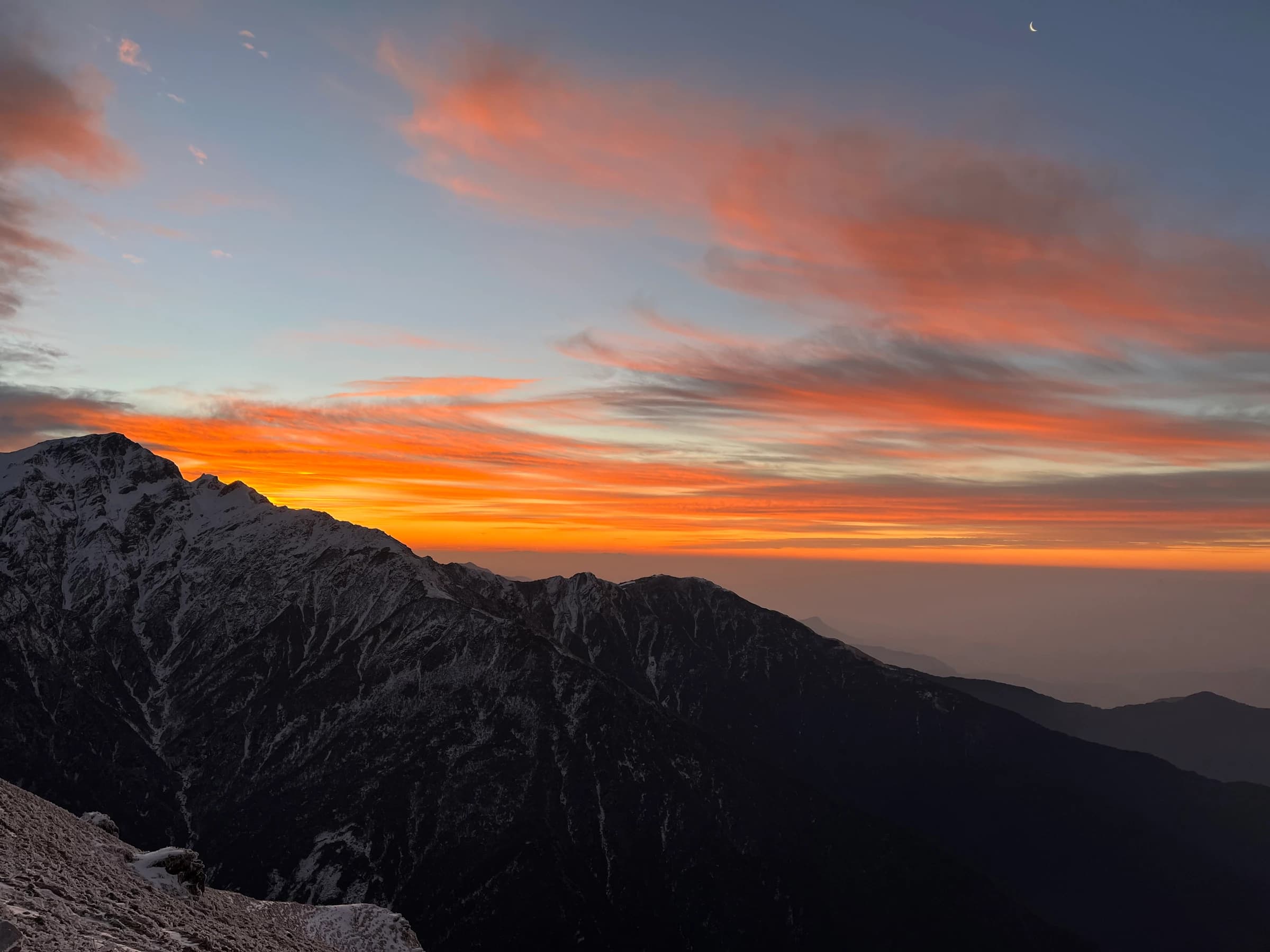
Mardi Himal Trek
- Max altitude
- 4,500m
- Difficulty
- Moderate
- Best season
- Autumn, Winter +
$290per person
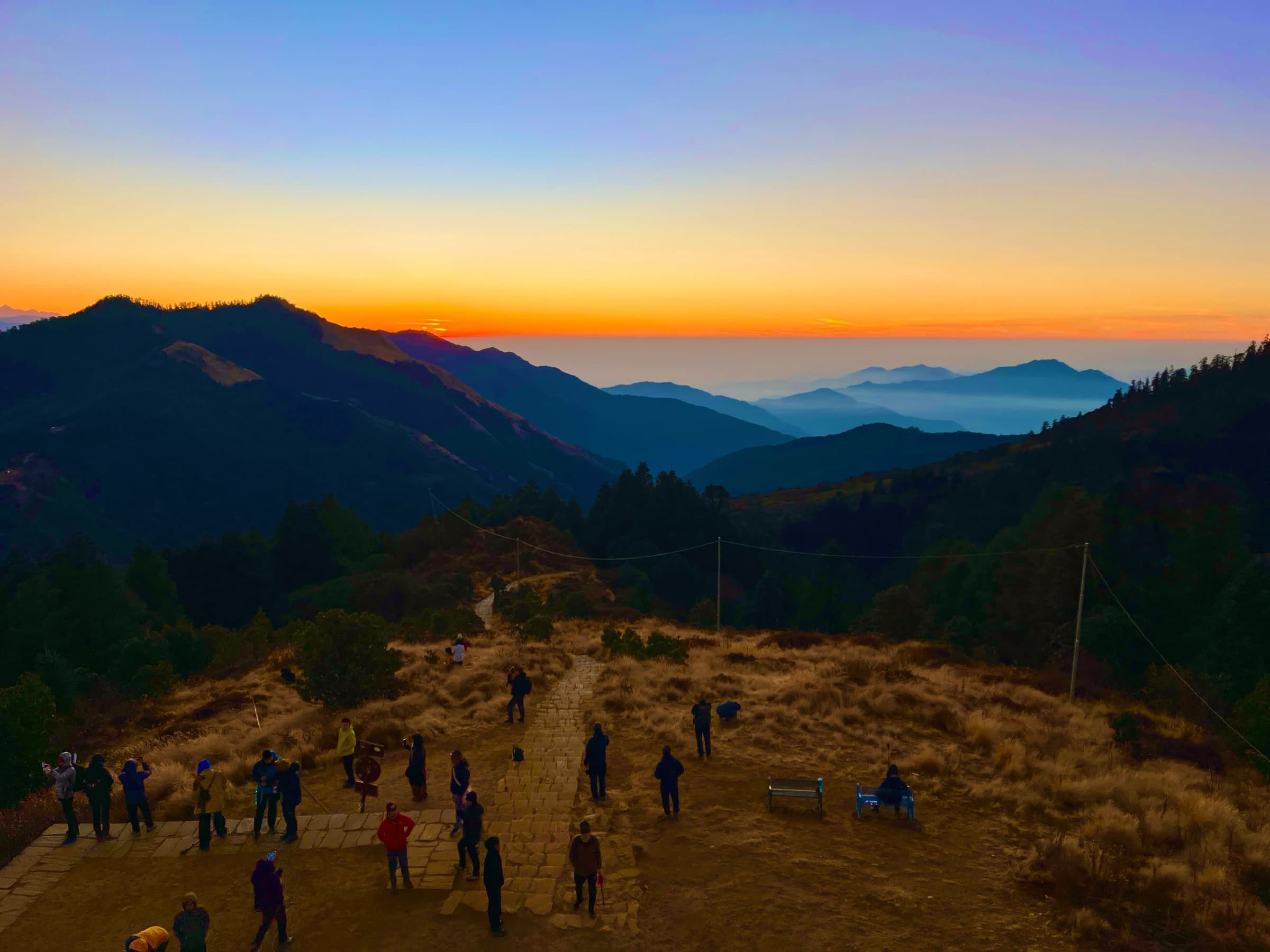
Ghorepani Poon Hill Trek
- Max altitude
- 3,210m
- Difficulty
- Moderate
- Best season
- Spring & Autumn
$210per person
