Ghorepani Poon Hill Trek
Trek at a Glance
Price From
US$ 210 per person
Duration
4–5 days
Trip Grade
Moderate
Max. Altitude
3,210m
Best Season
Mar–May, Oct–Nov
Group Size
1–12 pax
Region
Annapurna
Accommodation
Tea houses
Meals
All meals (Backpacker: breakfast)
Start / End Point
Pokhara
Permits
ACAP, TIMS card
Ghorepani Poon Hill Trek Overview

Itinerary designed by Rohit Timilsina, Co-Founder & Lead Guide Verified local guide
Nepal's most popular short trek, spectacular sunrise views over the Annapurna and Dhaulagiri ranges from Poon Hill (3,210m).
Poon Hill is Nepal's most iconic short trek, a 4-5 day rhododendron-forest walk through Gurung and Magar villages to the sunrise panorama over Dhaulagiri and the Annapurna range. The trek route, starting from Nayapul through Tikhedhunga, includes a long stone staircase to Ghorepani and culminates in a pre-dawn climb to Poon Hill.
Spanning around 40km of walking, it offers rich cultural experiences through villages like Ulleri and Ghandruk, showcasing genuine local hospitality.
Who this trek is for: This trek is ideal for those new to trekking in Nepal, offering breathtaking mountain scenery without long commitments at high altitudes. With the highest sleeping altitude being 2,874m at Ghorepani, it is suitable for families and those looking for a warming experience before tackling more challenging routes.
Poon Hill Sunrise
3,210 m / 10,531 ftA pre-dawn climb from Ghorepani delivers you to the open summit of Poon Hill as sunrise paints Dhaulagiri, Annapurna South, Machhapuchhre and Hiunchuli in gold. The most photographed sunrise in Nepal for a reason.
Ghorepani Poon Hill Trek Highlights
- Sunrise over Annapurna and Dhaulagiri
- Rhododendron forests in bloom (Mar–May)
- Gurung and Magar village culture
- Perfect for beginners and families
- Accessible from Pokhara
Ghorepani Poon Hill Trek Itinerary
| Day | Itinerary | Max Altitude | Distance | Duration |
|---|---|---|---|---|
| Day 1 | Pokhara to Ulleri (2,070m) | 2,070m / 6,791ft | 9km / 5.6mi | 5-6 hours hike + 1 hour drive |
| Day 2 | Ulleri to Ghorepani (2,860m) | 2,860m / 9,383ft | 11km / 6.8mi | 5 hours |
| Day 3 | Ghorepani to Poon Hill (3,210m) to Tadapani | 3,210m / 10,531ft | 12km / 7.5mi | 5-7 hours |
| Day 4 | Tadapani to Ghandruk (1,940m) to Pokhara | 1,940m / 6,365ft | 8km / 5mi | 3-4 hours hike + 3 hours drive |
Day 01: Pokhara to Ulleri (2,070m)
Distance9km / 5.6miDuration5-6 hours hike + 1 hour driveAltitude2,070m / 6,791ftDrive of 1 hour from Pokhara to Nayapool, the gateway to the Annapurna Conservation Area. The trail follows the Modi Khola river through lush farmland and small villages, passing through Birethanti where permits are checked.
Lunch at Tikhedhunga, then the famous steep stone staircase up to Ulleri begins. The climb is hard on the legs but the village views over the valley make it worthwhile. About 5 to 6 hours of walking total. Camp at Ulleri.
Day 02: Ulleri to Ghorepani (2,860m)
Distance11km / 6.8miDuration5 hoursAltitude2,860m / 9,383ftElevation Gain+790 mAbout 5 hours of forest walking through Banthanti and Nangethanti up to Ghorepani. Breakfast at Ulleri, lunch on the way. The trail climbs through dense rhododendron and oak forest, and in spring (March to May) the hillsides erupt in brilliant reds and pinks.
Ghorepani is a lively village on a saddle between two ridges with excellent teahouses, warm food, and the promise of tomorrow's Poon Hill sunrise. Camp at Ghorepani.
Day 03: Ghorepani to Poon Hill (3,210m) to Tadapani
Distance12km / 7.5miDuration5-7 hoursAltitude3,210m / 10,531ftElevation Gain+350 mStart the day early at around 4:30 am and hike 1.5 hours to Poon Hill (3,210m) in the dark. As the sky lightens, the entire Annapurna and Dhaulagiri ranges glow in shades of pink, orange, and gold. The 360-degree panorama includes Dhaulagiri (8,167m), Annapurna I (8,091m), Annapurna South, Machhapuchhre, and Nilgiri.
Return to the hotel at Ghorepani for breakfast, then trek through forest to Tadapani. Lunch on the way. 5 to 7 hours total. Camp at Tadapani with close-up views of Machhapuchhre.
Day 04: Tadapani to Ghandruk (1,940m) to Pokhara
Distance8km / 5miDuration3-4 hours hike + 3 hours driveAltitude1,940m / 6,365ftElevation Gain-1,270 mBreakfast at Tadapani. 3 to 4 hours of descent through mixed rhododendron forest to Ghandruk, the largest Gurung village in Nepal. The trail offers continuous views of Annapurna South and Machhapuchhre.
Lunch at Ghandruk, with time to explore the stone-and-slate houses stacked up the hillside and the small Annapurna Conservation Area museum. Then a 3-hour jeep drive back to Pokhara along the winding Baglung highway.
Choose Your Itinerary Length
4-day classic
Pokhara to Ulleri, Ghorepani, Poon Hill at dawn, then down through Tadapani and Ghandruk. Our default.
5-day relaxed
The same loop across shorter walking days, with more time in Ghandruk. Best for families and first-time trekkers.
Elevation Profile
Your Trek Is Prepared & Led by a Local Guide
 Govt. License #1497
Rohit Timilsina
Co-Founder & Lead Guide · 6K Nepal Treks
Hi, I'm Rohit Timilsina
I started 6K Nepal Treks to give travellers the trek I would want myself: small groups, honest prices and a guide who actually knows the trail. I have guided across the Annapurna, Manaslu and Everest regions for over five years, and I design every itinerary on this site personally.
“Whether it is your first teahouse trek or your tenth Himalayan expedition, I want you back home telling everyone it was the best trip of your life.”
Ghorepani Poon Hill Trek Cost & What's Included
Pick a comfort level to see exactly what its package covers. Prices by group size are in the booking card.
What is included in this trek package?
What is excluded in this trek package?
Ghorepani Poon Hill Trek Reviews
4.9★ from 90+ Google Reviews
Trekkers guided from 30+ countries.
No published review names the Ghorepani Poon Hill Trek yet.
See reviews from all our treksWhy Book With 6K Nepal Treks
Licensed & Insured
Registered with Nepal Tourism Board, TAAN and NMA. Fully insured for trekking, climbing, and high-altitude emergencies.
Expert Local Guides
Every trek is led by a licensed, first-aid trained Sherpa or Gurung guide, born and raised in these mountains.
Safety First
Pulse oximeter and emergency oxygen carried on all high-altitude treks. Helicopter evacuation protocol on standby.
Small Groups
Maximum 12 trekkers per group, and one porter per two guests whenever porters are part of your package. You are a person, not a tour number.
Fair & Transparent Pricing
No hidden fees. Every quote itemises exactly what your package covers and what it does not, so nothing lands on you at the trailhead.
Responsible Travel
Fair wages for all staff, eco-friendly practices on the trail, and direct support for the mountain communities we work with.
Know Before You Go
Poon Hill is rated as one of Nepal's easier multi-day treks. Healthy adults who exercise regularly will find it manageable. The trek includes a demanding climb from Tikhedhunga to Ghorepani, gaining roughly 1,330m in elevation over 5-6 hours. The stone staircase leading to Ulleri is particularly steep for the first 90 minutes, but the gradient eases afterward. Although the trail is well-maintained, trekking poles can alleviate knee strain on descents. Expect heavy traffic at peak seasons, particularly on the way to Poon Hill for sunrise.
Annapurna Conservation Area Permit (ACAP), NPR 3,000 (approximately USD 22) for foreigners and NPR 1,000 for SAARC nationals, is mandatory for the entire route and obtainable in Pokhara or Kathmandu.
TIMS Card (Trekkers' Information Management System), NPR 1,000 (approximately USD 7) per person when trekking with a registered agency, required for all trekkers in the Annapurna region.
Poon Hill is among the safest Annapurna routes concerning altitude-related issues. The maximum altitude of 3,210m is a day hike from an overnight elevation of 2,874m, helping reduce risk. Ascending slowly aids acclimatisation, though individuals may experience mild symptoms from rapid altitude gain. The route does not typically require altitude medication for healthy trekkers.
Ghorepani offers quality teahouses, including hot showers and comfortable rooms. Food ranges from dal bhat to pizza, while simpler accommodations are available in Tadapani and Ghandruk. Budgeting NPR 1,500-2,500 per day for meals and extras is advisable, with cash required for purchases since there are no ATMs along the trek.
The trek starts and finishes in Pokhara, so you need to be in Pokhara the night before day one. Most trekkers arrive from Kathmandu either by tourist bus along the Prithvi Highway, which takes 7 to 8 hours, or on the 25 minute flight into Pokhara.
On day one we drive roughly 1 hour from Pokhara to Nayapool, the road head for the Annapurna Conservation Area. Permits are checked at Birethanti a short walk further on, and the walking starts from there. On the final day a jeep collects you at Ghandruk for the 3 hour drive back to Pokhara along the Baglung highway.
Both transfers are part of the package, so you do not need to arrange jeeps or find the bus park yourself.
Since April 2023, foreign trekkers have not been permitted to walk the Annapurna region alone. A licensed guide booked through a registered trekking agency is required, and the TIMS card is issued through that agency rather than to individuals. This applies on the Ghorepani Poon Hill route exactly as it does elsewhere in the Annapurna Conservation Area.
In practice the guided trek is the only lawful way for a foreign visitor to walk this route, and once permits, transfers and tea house rates are counted together it usually works out cheaper than piecing it together alone.
6K Nepal Treks operates under Government Trekking Guide Licence No. 1497 and issues your ACAP and TIMS through the agency, so the paperwork is handled before you arrive at the checkpoint.
There are no ATMs anywhere on the Poon Hill route. The last reliable cash machines are in Pokhara, so draw what you need before you leave. Tea houses and trailside shops take Nepali rupees in cash only.
Your package covers accommodation, meals and permits, so trail spending is limited to extras. Budget roughly NPR 1,500 to 2,500 per day if you want bottled or boiled water, hot showers, device charging, snacks, beer and wifi. Prices rise with altitude, because everything above Nayapool is carried or muled in.
Tipping is customary rather than compulsory. Most groups hand the guide, and any porter, a shared tip at the end of the trek.
Ncell and Nepal Telecom both cover most of this route, and signal is usually good at Ghorepani and Ghandruk. A local SIM bought in Pokhara or at the airport is the cheapest way to stay reachable. Tea houses sell wifi access, though it slows noticeably once the dining room fills up in the evening.
Charging is available in tea house dining rooms for a small per device fee, typically NPR 100 to 300 a session. Carry a power bank so you are not dependent on it, particularly for the pre-dawn Poon Hill climb when you need a working headlamp.
Do not drink untreated tap water. Boiled water is sold at every tea house, and a filter bottle or purification tablets will cut both your costs and the plastic left behind on the trail.
Travel insurance is not included on any tier and we ask every trekker to arrive holding a policy. Check that it covers trekking to at least 4,000m, which comfortably clears the 3,210m high point at Poon Hill, and that it includes helicopter evacuation and repatriation.
Poon Hill is one of the more forgiving routes in Nepal if something goes wrong. The trail is never more than a day's walk from a road head, and Pokhara, where the nearest hospitals are, is around 3 hours by jeep from Ghandruk.
Your guide carries a first aid kit, checks the group daily, and can call an evacuation if it is ever needed. Rescue costs are billed to your insurer, which is why the policy matters.
The route runs through Magar and Gurung country. Ulleri and Ghorepani are largely Magar villages, while Ghandruk is the largest Gurung settlement in Nepal and has a small Annapurna Conservation Area museum worth half an hour of your afternoon. In most cases the household you meet also runs the tea house you sleep in.
A few habits make a real difference. Ask before photographing people or the inside of homes, step to the uphill side when you meet a mule train, and carry your rubbish out rather than leaving it with villages that have no collection. Refilling a bottle with boiled or filtered water instead of buying plastic is the single biggest reduction you can make here.
The ACAP fee funds conservation and community projects inside the area, which is part of why the permit is not optional.
March to May is the spring window. The rhododendron forest between Ulleri and Ghorepani is in full bloom through late March and April, days are mild, and afternoon haze builds as the season warms. October and November are the autumn window, with the clearest and most stable skies of the year and cold but very sharp mornings on Poon Hill.
December to February is quiet and genuinely cold at Ghorepani, with occasional snow on the ridge. Visibility can be superb and you will share the sunrise with far fewer people. June to September is the monsoon: the trail is green and empty, but cloud usually hides the mountains and leeches are active in the forest sections.
Whatever month you pick, the sunrise depends on the weather on the day. Leaving a spare day in your Pokhara plans gives you a second attempt if the first morning is clouded in.
The following is a solid starting point for most multi-day treks we run. Adjust for the season and the maximum altitude of your specific route. Shorter, lower-altitude hikes need far less than this full list. For the key insulation items (down jacket and four-season sleeping bag) we offer rental in Kathmandu or Pokhara for USD 35 each.
General
- Four-season (zero degree) sleeping bag (rental available: USD 35)
- Insulated down jacket (rental available: USD 35)
- Daypack, 30 to 45 litres, with rain cover
- Sleeping bag liner
Head & Face
- Sun hat or cap
- Beanie or knitted hat for colder mornings and evenings
- Buff or neck gaiter
- Sunglasses with full UV protection
- Headlamp with spare batteries
Upper Body
- Technical base layer shirts, two
- Technical long-sleeve shirts, two
- Fleece or synthetic mid-layer
- Waterproof and windproof shell jacket
Lower Body
- Hiking pants, two pairs
- Technical base-layer leggings for cold mornings
- Waterproof or windproof outer shell pants
- Comfortable pants for evenings in the teahouse
Hands
- Lightweight liner gloves
- Insulated outer gloves for high altitude or winter conditions
Feet
- Waterproof trekking boots with ankle support, broken in before the trip
- Hiking socks, three to five pairs
- Liner socks if prone to blisters
- Comfortable shoes or sandals for evenings
- Microspikes recommended November to March on routes above 4,000m
First Aid & Medications
- Personal prescription medications
- SPF 50+ sunscreen and SPF lip balm
- Blister care, plasters, and antiseptic cream
- Electrolyte sachets or tablets
- Note: our guides carry a comprehensive group first aid kit with pulse oximeter
Other Essentials
- Passport, two passport-sized photos, and photocopies of travel documents
- One-litre reusable water bottle or hydration bladder
- Trekking poles (strongly recommended)
- Small toiletry kit, quick-dry towel, and toilet paper
- High-protein snacks for the trail (bars, nuts)
- Waterproof dry bag for documents and electronics
- We provide a free duffel bag at your pre-trip meeting, used for luggage carried by the porter. The duffel stays yours afterwards.
- One porter is assigned per two trekkers. The duffel bag should weigh no more than 10 kg / 22 lbs per person.
- Always carry your own daypack with essentials: cash, documents, water, camera, rain gear.
- Non-trekking luggage can be stored securely at your hotel in Kathmandu or Pokhara.
- Down jacket and four-season sleeping bag are available for rent at USD 35 each. Loss or damage reimbursement is USD 100 per item.
Guide & Porter Services
Every trek is led by a government-licensed, English-speaking lead guide who is also trained in first aid and high-altitude emergency response. For groups of seven or more we add an assistant guide. Porters are assigned one per two trekkers, each carrying up to 10 kg of your main luggage so you only carry a daypack. All staff wages, accommodation, meals, gear, and insurance are fully covered in the package price.
Accommodation Bookings
We pre-book every night's accommodation before you start, so you never arrive at a full teahouse during peak season. Nights before and after the trek are in 3-star hotels in Kathmandu or Pokhara with breakfast included. On the trail you stay in tea houses or local lodges on a twin-sharing basis, with the best available rooms in each village. Private rooms and en-suite bathrooms are available where offered, usually at lower altitudes.
Transportation Arrangements
All ground transfers are arranged by private or shared tourist vehicles as specified in the itinerary. Airport pick-up and drop-off are included. Where a domestic flight is required (for example, Kathmandu to Lukla for Everest, or Jomsom to Pokhara for Mustang routes), the round-trip fare is covered in the package. We monitor flight and road conditions daily and adjust logistics proactively when weather or landslides affect the schedule.
Equipment Rental
A four-season sleeping bag and an insulated down jacket can be rented in Kathmandu or Pokhara at USD 35 per item for the duration of the trek. Trekking poles, microspikes, and additional layers are also available on request. We supply a 75-litre duffel bag for you to keep at your pre-trip briefing. A full packing checklist is sent after you book so you can pack with confidence.
Insurance Requirements
Comprehensive travel insurance is mandatory for every trek we operate. Your policy must explicitly cover trekking at the maximum altitude of your route and include emergency helicopter evacuation, medical treatment, and trip cancellation. Please send us a copy of your policy at least two weeks before departure. We cannot start the trek without confirmation of valid coverage. This is for your safety and ours.
Good to know. Arrive in Pokhara at least one day before departure so there is time for your pre-trip briefing and any last-minute gear hire. We can store spare luggage while you trek.
FAQs for Ghorepani Poon Hill Trek
Plan Your Ghorepani Poon Hill Trek
Choose your package, price per person (USD)
Other packages
Free cancellation up to 30 days
No booking fees, 30% deposit
Licensed operator (#1497)
You may also like
Similar Treks

Kapuche Glacier Lake
- Max altitude
- 2,546m
- Difficulty
- Moderate
- Best season
- Autumn, Winter +
$260per person

Khumai Korchan Trek
- Max altitude
- 3,682m
- Difficulty
- Moderate
- Best season
- Autumn, Winter +
$270per person
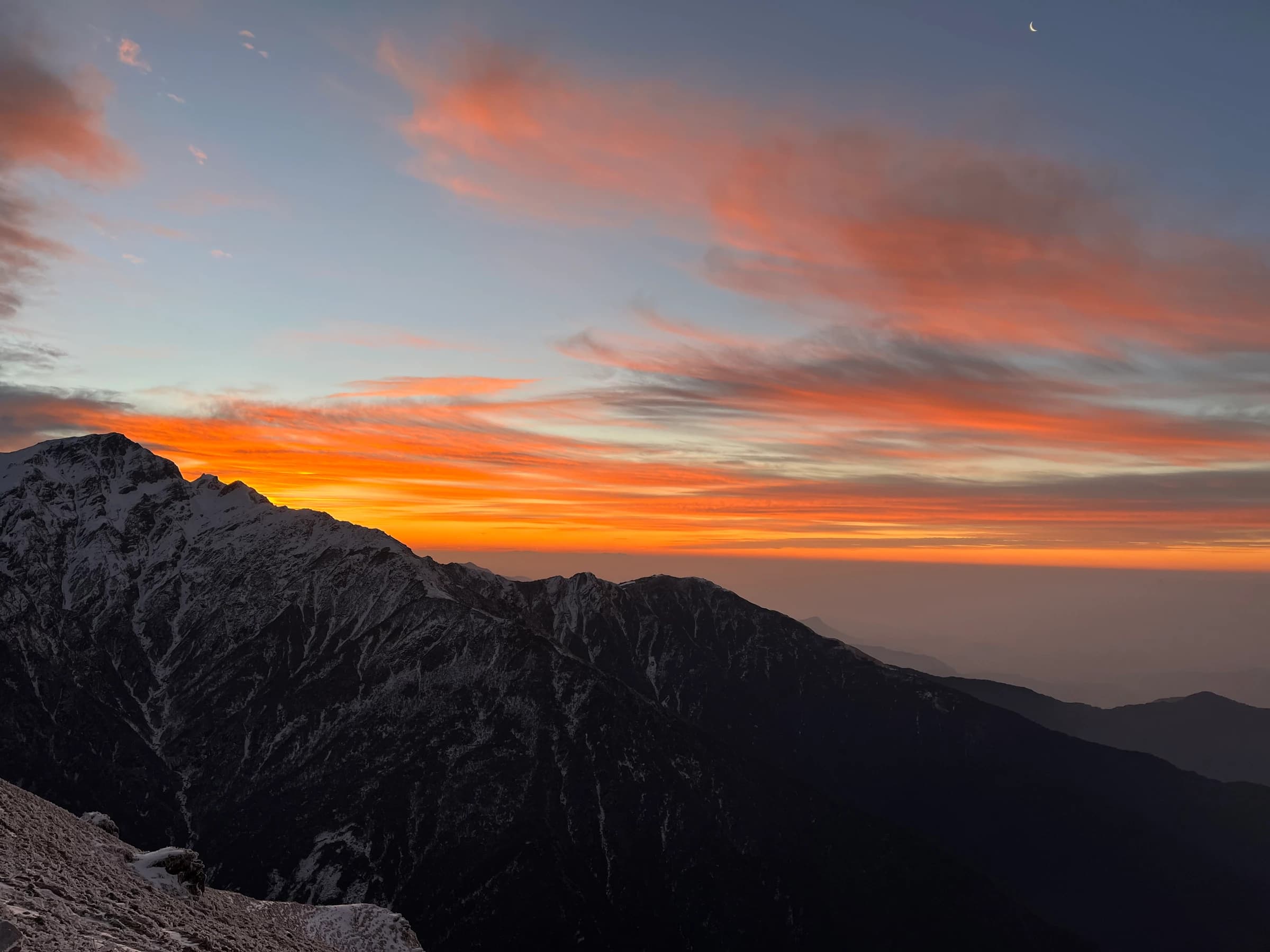
Mardi Himal Trek
- Max altitude
- 4,500m
- Difficulty
- Moderate
- Best season
- Autumn, Winter +
$290per person
Kori Hill Trek
- Max altitude
- 3,800m
- Difficulty
- Moderate
- Best season
- Summer & Autumn
$290per person
