Annapurna Base Camp Trek
Trek at a Glance
Price From
US$ 380 per person
Duration
7–10 days
Trip Grade
Moderate
Max. Altitude
4,130m
Best Season
Mar–May, Sep–Nov
Group Size
1–12 pax
Region
Annapurna
Accommodation
Tea houses
Meals
All meals (Backpacker: breakfast)
Start / End Point
Pokhara
Permits
ACAP, TIMS card
Annapurna Base Camp Trek Overview

Itinerary designed by Rohit Timilsina, Co-Founder & Lead Guide Verified local guide
Trek into the heart of the Annapurna Sanctuary, surrounded by a natural amphitheatre of 7,000m+ peaks.
The Annapurna Base Camp trek is one of the most remarkable journeys one can undertake. Our team guides this route frequently, moving through a compression of splendid landscapes in just a few days. From the terraced fields below Chhomrong and dense rhododendron forests above it, to the open moraine shelf at Deurali, and then finally crossing the Annapurna Sanctuary glacier to reach base camp, the trek is a stunning display of nature's beauty. Standing inside the sanctuary, surrounded by giants like Annapurna I at 8,091m and Machhapuchhre, is an experience we never tire of witnessing.
The journey from Pokhara starts with a drive to Jhinu Danda and a climb up the long stone staircase to the Gurung village of Chhomrong. From there we follow the Modi Khola valley through Sinuwa, Bamboo and Dovan to Himalaya, then pass Deurali and Machhapuchhre Base Camp (3,700m) on the final push to base camp. Above Chhomrong, the teahouses become sparse and the terrain more serious. We carefully monitor altitude gains above Deurali at 3,200m due to the steep ascent to base camp. On descent, we stop at the hot springs at Jhinu Danda for a well-deserved soak, then cross to the Gurung village of Landruk before the drive back to Pokhara. The full trek takes 7 days, but we recommend extending to 9 days for comfort, adjusting to weather or altitude without rush. March to May showcases blooming rhododendrons, while October and November offer clear mountain vistas.
Who this trek is for: This trek suits anyone who can manage 5-7 hours of walking daily on mountain terrain and is comfortable sleeping at 4,130m. Technical climbing is unnecessary, though prior trekking experience is advisable as the path is well-marked and the teahouse infrastructure is solid throughout. Good physical conditioning enhances your experience, especially on the Chhomrong staircase and during the final climb to base camp.
Annapurna Sanctuary
4,130 m / 13,550 ftWalk into a natural amphitheatre enclosed by six peaks above 7,000m: Annapurna I, Annapurna South, Hiunchuli, Machhapuchhre, Gangapurna and Annapurna III. The final approach from Machhapuchhre Base Camp at dawn, with glacier crunching underfoot, is one of the great moments in Himalayan trekking.
Annapurna Base Camp Trek Highlights
- Annapurna Sanctuary at 4,130m
- 360° views of Annapurna massif
- Rhododendron forests in full bloom (spring)
- Sunrise over Machhapuchhre (Fishtail)
- Warm hot springs at Jhinu Danda
Annapurna Base Camp Trek Itinerary
| Day | Itinerary | Max Altitude | Distance | Duration |
|---|---|---|---|---|
| Day 1 | Pokhara to Chhomrong (2,170m) | 2,170m / 7,119ft | 5km / 3.1mi hike + drive | 2 hours hike + 3 hours drive |
| Day 2 | Chhomrong to Himalaya (2,920m) | 2,920m / 9,580ft | 11km / 6.8mi | 5-6 hours |
| Day 3 | Himalaya to Annapurna Base Camp (4,130m) | 4,130m / 13,550ft | 10km / 6.2mi | 5-6 hours |
| Day 4 | ABC to Bamboo (2,310m) | 2,310m / 7,579ft | 13km / 8.1mi | 5-7 hours |
| Day 5 | Bamboo to Jhinu Danda (1,760m) | 1,760m / 5,774ft | 10km / 6.2mi | 5-6 hours |
| Day 6 | Jhinu to Landruk village (1,565m) | 1,565m / 5,135ft | 8km / 5mi | 3-4 hours |
| Day 7 | Landruk village to Pokhara | — | — | 1.5 hours hike + 2 hours drive |
Day 01: Pokhara to Chhomrong (2,170m)
Distance5km / 3.1mi hike + driveDuration2 hours hike + 3 hours driveAltitude2,170m / 7,119ftDrive of 3 hours from Pokhara to Jhinu, then a 2-hour hike from Jhinu up the long stone staircase to Chhomrong. The trail crosses suspension bridges and climbs through terraced farmland and Gurung villages.
Chhomrong is a beautiful Gurung village perched on a hillside with stunning views of Annapurna South and Machhapuchhre. Camp at Chhomrong.
Day 02: Chhomrong to Himalaya (2,920m)
Distance11km / 6.8miDuration5-6 hoursAltitude2,920m / 9,580ftElevation Gain+750 m5 to 6 hours of trekking through Sinuwa, Bamboo and Dovan into the high gorge. Breakfast at Chhomrong, lunch at Bamboo. The trail climbs through bamboo forest with waterfalls cascading down the valley walls. The valley gradually opens as you climb. Camp at Himalaya.
Day 03: Himalaya to Annapurna Base Camp (4,130m)
Distance10km / 6.2miDuration5-6 hoursAltitude4,130m / 13,550ftElevation Gain+1,210 m5 to 6 hours through Hinku Cave and Deurali into the open Sanctuary. Breakfast at Himalaya, lunch at MBC (Machhapuchre Base Camp at 3,700m).
The final push to ABC takes you through glacial moraine and alpine terrain. As you crest the final rise, the full amphitheatre of peaks reveals itself: Annapurna I (8,091m), Annapurna South, Hiunchuli, Machhapuchhre, Gangapurna, and Annapurna III. Camp at ABC.
Day 04: ABC to Bamboo (2,310m)
Distance13km / 8.1miDuration5-7 hoursAltitude2,310m / 7,579ftElevation Gain-1,820 m5 to 7 hours of descent back through the sanctuary with reverse views of the wall of peaks. Breakfast at ABC, lunch at Upper Dovan. The descent moves quickly with the altitude advantage and the thicker air at Bamboo Camp makes sleeping much more comfortable than the higher camps. Camp at Bamboo.
Day 05: Bamboo to Jhinu Danda (1,760m)
Distance10km / 6.2miDuration5-6 hoursAltitude1,760m / 5,774ftElevation Gain-550 m5 to 6 hours back through Sinuwa and the long Chhomrong staircase, then descent to Jhinu. Breakfast at Bamboo, lunch at Chhomrong. On the same day or the next morning a 20-minute hike down to the natural hot springs by the Modi Khola, fed by geothermal activity deep beneath the Himalaya. Camp at Jhinu.
Day 06: Jhinu to Landruk village (1,565m)
Distance8km / 5miDuration3-4 hoursAltitude1,565m / 5,135ftElevation Gain-195 m3 to 4 hour trail traverse across the gorge to the Gurung village of Landruk with views of Annapurna South. Breakfast at Jhinu, lunch on the way. Camp at Landruk.
Day 07: Landruk village to Pokhara
Duration1.5 hours hike + 2 hours driveBreakfast at Landruk, then a 1.5-hour hike to Siwai and a 2-hour jeep drive back to Pokhara. Back in Pokhara, enjoy a celebratory dinner by the lakeside as the sun sets over Phewa Lake.
Elevation Profile
Your Trek Is Prepared & Led by a Local Guide
 Govt. License #1497
Rohit Timilsina
Co-Founder & Lead Guide · 6K Nepal Treks
Hi, I'm Rohit Timilsina
I started 6K Nepal Treks to give travellers the trek I would want myself: small groups, honest prices and a guide who actually knows the trail. I have guided across the Annapurna, Manaslu and Everest regions for over five years, and I design every itinerary on this site personally.
“Whether it is your first teahouse trek or your tenth Himalayan expedition, I want you back home telling everyone it was the best trip of your life.”
Annapurna Base Camp Trek Cost & What's Included
Pick a comfort level to see exactly what its package covers. Prices by group size are in the booking card.
What is included in this trek package?
What is excluded in this trek package?
Annapurna Base Camp Trek Reviews
4.9★ from 90+ Google Reviews
Trekkers guided from 30+ countries.
“Rohit is a young, energetic, knowledgeable, and enthusiastic guide. He took us up to Annapurna Base Camp. We had bad weather, so Rohit decided to wait a day when other guides kept going up. Due to avalanche-risk, this was the obviously the best decision. Rohit always made sure that we felt comfortable and always in a good mood. We had fun, lots of laughter and great stories. Thanks to Rohit we will never forget: Dahl Baht Power 24 Hour!”
Sander Wolters ★
Annapurna Base Camp · 2025
“Undertook Annapurna Base Camp Trek along with Rohit in first week of April 2025. His detailed knowledge and experience of the terrain and weather helped us having an awesome experience. He was accommodative of our needs and change in plans. Two days later we undertook a motorbike ride upto Muktinath in Mustang Valley. Again his energy, knowledge and experience in the area resulted in us having a superb n memorable time.”
Prateek Johari ★
Annapurna Base Camp + Mustang · Jul 2025
“Had an amazing 9 day Annapurna Base Camp Sanctuary Trek this June with Rohit and his team. His fantastic organisation, hosting, knowledge and professionalism makes Rohit a fabulous choice of guide. Visiting Nepal and especially the Himalayas is a life changing experience and I will never forget it.”
Rupert Potts ★
Annapurna Base Camp · Sep 2025
Why Book With 6K Nepal Treks
Licensed & Insured
Registered with Nepal Tourism Board, TAAN and NMA. Fully insured for trekking, climbing, and high-altitude emergencies.
Expert Local Guides
Every trek is led by a licensed, first-aid trained Sherpa or Gurung guide, born and raised in these mountains.
Safety First
Pulse oximeter and emergency oxygen carried on all high-altitude treks. Helicopter evacuation protocol on standby.
Small Groups
Maximum 12 trekkers per group, and one porter per two guests whenever porters are part of your package. You are a person, not a tour number.
Fair & Transparent Pricing
No hidden fees. Every quote itemises exactly what your package covers and what it does not, so nothing lands on you at the trailhead.
Responsible Travel
Fair wages for all staff, eco-friendly practices on the trail, and direct support for the mountain communities we work with.
Know Before You Go
The Annapurna Base Camp trek is rated Moderate, which accurately reflects the challenge for a fit individual, even with two particularly demanding days. The ascent from Tikhedhunga to Ghorepani involves over 1,300 metres of elevation gain, primarily through stone staircases. Day two poses a test for legs and lungs. The Chhomrong staircase, descended on day five, has over 2,000 steps and can be hard on the knees.
Daily walking times vary from 3 hours on shorter connector days to 7 hours on the Ghorepani approach and the section from Dovan to MBC. Most days average 5-6 hours at a reasonable pace. Altitude is a primary risk; gaining 430 metres from Machhapuchhre Base Camp to Annapurna Base Camp in a single morning is significant. Therefore, anyone showing early signs of Acute Mountain Sickness (AMS) the previous night will not be pushed forward. The terrain above Deurali becomes moraine with potential snow and ice in early spring or winter. Proper trekking boots with ankle support are essential; trail runners are inadequate above Deurali. Technical climbing gear or experience is not necessary.
To prepare, start cardiovascular training at least 8 weeks before your trek date, focusing on sustained aerobic exercise: running for 30-45 minutes three times weekly, hiking with a loaded pack on weekends, and stair climbing. The Ghorepani ascent is demanding, and those without adequate leg conditioning may find it discouraging. Leg strength is crucial; incorporate exercises like squats and lunges into your training.
For acclimatisation, the itinerary provides gradual altitude gain if followed without haste. Skipping the overnight at Machhapuchhre Base Camp can lead to increased AMS rates. Staying hydrated by drinking 3-4 litres of water daily is critical, regardless of thirst. Avoid alcohol at altitude.
Arrive in Pokhara a day prior to the trek to adjust. If flying directly from lower altitudes, that extra rest day is important. Bring Diamox (acetazolamide) after consulting your physician for dosage. Recognise AMS symptoms: persistent headache, nausea, loss of appetite, unusual fatigue. These require immediate attention if reported above 3,500m, and descent is essential.
You will need the Annapurna Conservation Area Permit (ACAP) at USD 30 per person, required for all foreign nationals. This can be obtained in Kathmandu at the Nepal Tourism Board or in Pokhara, and our guide manages all permit paperwork before departing.
You will also need the TIMS Card (Trekkers' Information Management System), at USD 15 per person (approximately NPR 2,000). This is mandatory for trekking in the Annapurna region, with individual trekkers paying NPR 2,000 and group trekkers paying NPR 1,000. This is also obtained at the Nepal Tourism Board office.
Acute Mountain Sickness is the primary medical concern on this trek. The route reaches 4,130m at base camp, which, while not extreme by Himalayan standards, is high enough to cause serious symptoms in unprepared trekkers. The fastest altitude gain occurs from Machhapuchhre Base Camp (3,700m) to Annapurna Base Camp (4,130m), a 430m increase in a single morning following two sustained days climbing above 2,000m.
Typical sleeping altitudes: Tikhedhunga 1,540m, Ghorepani 2,874m, Tadapani 2,630m, Chhomrong 2,170m, Dovan 2,600m, MBC 3,700m, ABC 4,130m. The acclimatisation profile is reasonably gradual. Descending to Chhomrong on day four helps with acclimatisation before the push past 3,000m.
We monitor for headache, nausea, and fatigue above Dovan. At MBC, anyone with a headache will rest in the morning before evaluation. A pulse oximeter is carried on every trek; a reading below 75-78% at MBC or ABC requires serious consideration. Descent is the only reliable AMS cure.
The ABC route boasts one of the best-serviced trekking paths in Nepal, featuring teahouses at major stops. Accommodations consist of twin rooms with basic amenities; wooden beds are typical, with blankets but limited extras above Chhomrong. Hot showers are available for an additional fee, and WiFi exists up to Deurali, though it becomes unreliable beyond that point.
Meals are consistent and reliable, with dal bhat (rice, lentil soup, vegetable curry, and pickles) as the staple. It offers great value and often includes free refills. Pasta, noodle soup, fried rice, porridge, and pancakes are also common. Teahouse kitchens generally maintain cleanliness, and food served is hot. We recommend sticking to cooked meals and boiled or bottled water due to water safety concerns. Expect to budget about USD 30-50 daily for food and accommodation.
The following is a solid starting point for most multi-day treks we run. Adjust for the season and the maximum altitude of your specific route. Shorter, lower-altitude hikes need far less than this full list. For the key insulation items (down jacket and four-season sleeping bag) we offer rental in Kathmandu or Pokhara for USD 35 each.
General
- Four-season (zero degree) sleeping bag (rental available: USD 35)
- Insulated down jacket (rental available: USD 35)
- Daypack, 30 to 45 litres, with rain cover
- Sleeping bag liner
Head & Face
- Sun hat or cap
- Beanie or knitted hat for colder mornings and evenings
- Buff or neck gaiter
- Sunglasses with full UV protection
- Headlamp with spare batteries
Upper Body
- Technical base layer shirts, two
- Technical long-sleeve shirts, two
- Fleece or synthetic mid-layer
- Waterproof and windproof shell jacket
Lower Body
- Hiking pants, two pairs
- Technical base-layer leggings for cold mornings
- Waterproof or windproof outer shell pants
- Comfortable pants for evenings in the teahouse
Hands
- Lightweight liner gloves
- Insulated outer gloves for high altitude or winter conditions
Feet
- Waterproof trekking boots with ankle support, broken in before the trip
- Hiking socks, three to five pairs
- Liner socks if prone to blisters
- Comfortable shoes or sandals for evenings
- Microspikes recommended November to March on routes above 4,000m
First Aid & Medications
- Personal prescription medications
- SPF 50+ sunscreen and SPF lip balm
- Blister care, plasters, and antiseptic cream
- Electrolyte sachets or tablets
- Note: our guides carry a comprehensive group first aid kit with pulse oximeter
Other Essentials
- Passport, two passport-sized photos, and photocopies of travel documents
- One-litre reusable water bottle or hydration bladder
- Trekking poles (strongly recommended)
- Small toiletry kit, quick-dry towel, and toilet paper
- High-protein snacks for the trail (bars, nuts)
- Waterproof dry bag for documents and electronics
- We provide a free duffel bag at your pre-trip meeting, used for luggage carried by the porter. The duffel stays yours afterwards.
- One porter is assigned per two trekkers. The duffel bag should weigh no more than 10 kg / 22 lbs per person.
- Always carry your own daypack with essentials: cash, documents, water, camera, rain gear.
- Non-trekking luggage can be stored securely at your hotel in Kathmandu or Pokhara.
- Down jacket and four-season sleeping bag are available for rent at USD 35 each. Loss or damage reimbursement is USD 100 per item.
Guide & Porter Services
Every trek is led by a government-licensed, English-speaking lead guide who is also trained in first aid and high-altitude emergency response. For groups of seven or more we add an assistant guide. Porters are assigned one per two trekkers, each carrying up to 10 kg of your main luggage so you only carry a daypack. All staff wages, accommodation, meals, gear, and insurance are fully covered in the package price.
Accommodation Bookings
We pre-book every night's accommodation before you start, so you never arrive at a full teahouse during peak season. Nights before and after the trek are in 3-star hotels in Kathmandu or Pokhara with breakfast included. On the trail you stay in tea houses or local lodges on a twin-sharing basis, with the best available rooms in each village. Private rooms and en-suite bathrooms are available where offered, usually at lower altitudes.
Transportation Arrangements
All ground transfers are arranged by private or shared tourist vehicles as specified in the itinerary. Airport pick-up and drop-off are included. Where a domestic flight is required (for example, Kathmandu to Lukla for Everest, or Jomsom to Pokhara for Mustang routes), the round-trip fare is covered in the package. We monitor flight and road conditions daily and adjust logistics proactively when weather or landslides affect the schedule.
Equipment Rental
A four-season sleeping bag and an insulated down jacket can be rented in Kathmandu or Pokhara at USD 35 per item for the duration of the trek. Trekking poles, microspikes, and additional layers are also available on request. We supply a 75-litre duffel bag for you to keep at your pre-trip briefing. A full packing checklist is sent after you book so you can pack with confidence.
Insurance Requirements
Comprehensive travel insurance is mandatory for every trek we operate. Your policy must explicitly cover trekking at the maximum altitude of your route and include emergency helicopter evacuation, medical treatment, and trip cancellation. Please send us a copy of your policy at least two weeks before departure. We cannot start the trek without confirmation of valid coverage. This is for your safety and ours.
Good to know. Arrive in Pokhara at least one day before departure so there is time for your pre-trip briefing and any last-minute gear hire. We can store spare luggage while you trek.
FAQs for Annapurna Base Camp Trek
Plan Your Annapurna Base Camp Trek
Choose your package, price per person (USD)
Other packages
Free cancellation up to 30 days
No booking fees, 30% deposit
Licensed operator (#1497)
You may also like
Similar Treks

Kapuche Glacier Lake
- Max altitude
- 2,546m
- Difficulty
- Moderate
- Best season
- Autumn, Winter +
$260per person

Khumai Korchan Trek
- Max altitude
- 3,682m
- Difficulty
- Moderate
- Best season
- Autumn, Winter +
$270per person
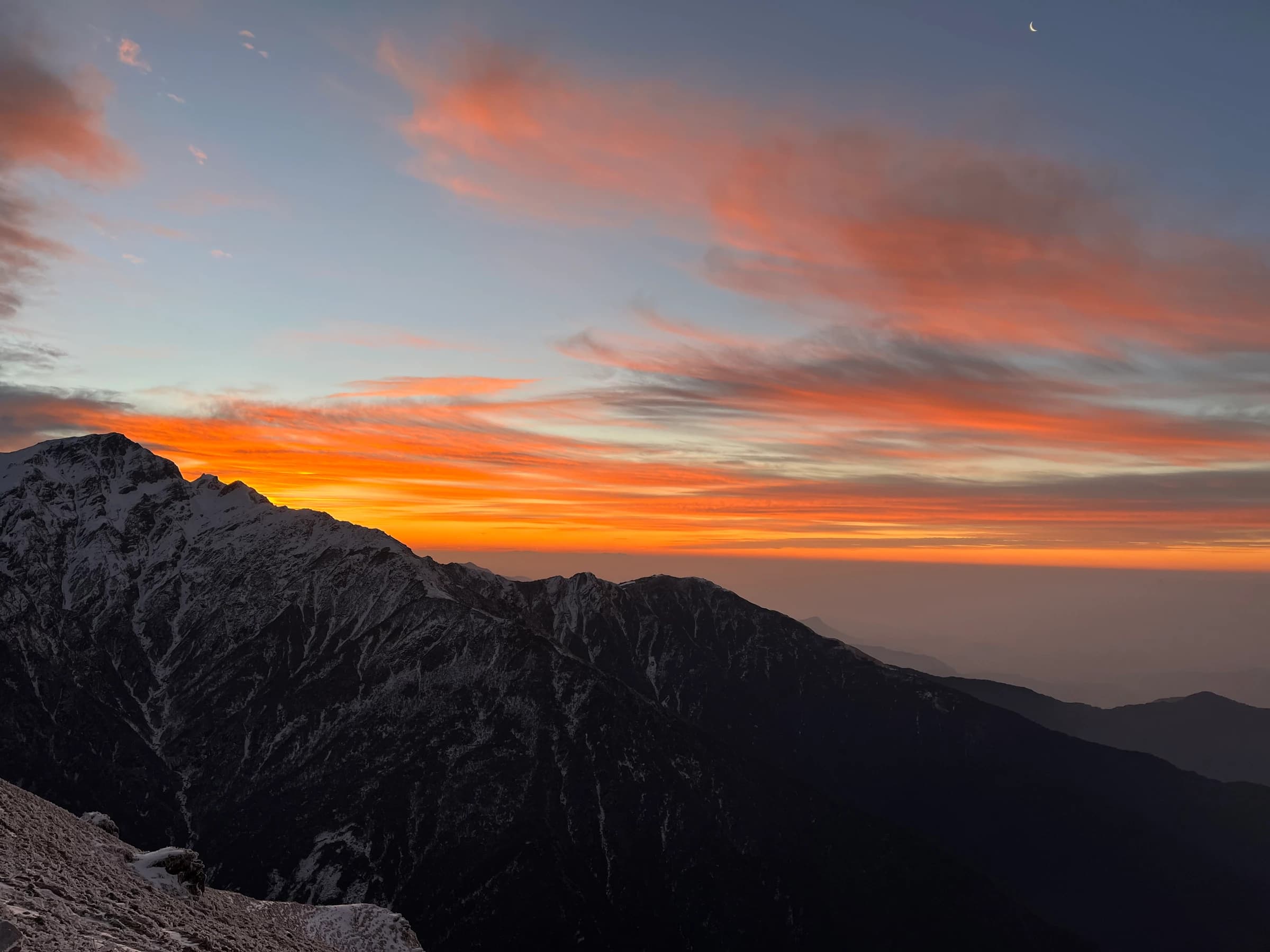
Mardi Himal Trek
- Max altitude
- 4,500m
- Difficulty
- Moderate
- Best season
- Autumn, Winter +
$290per person
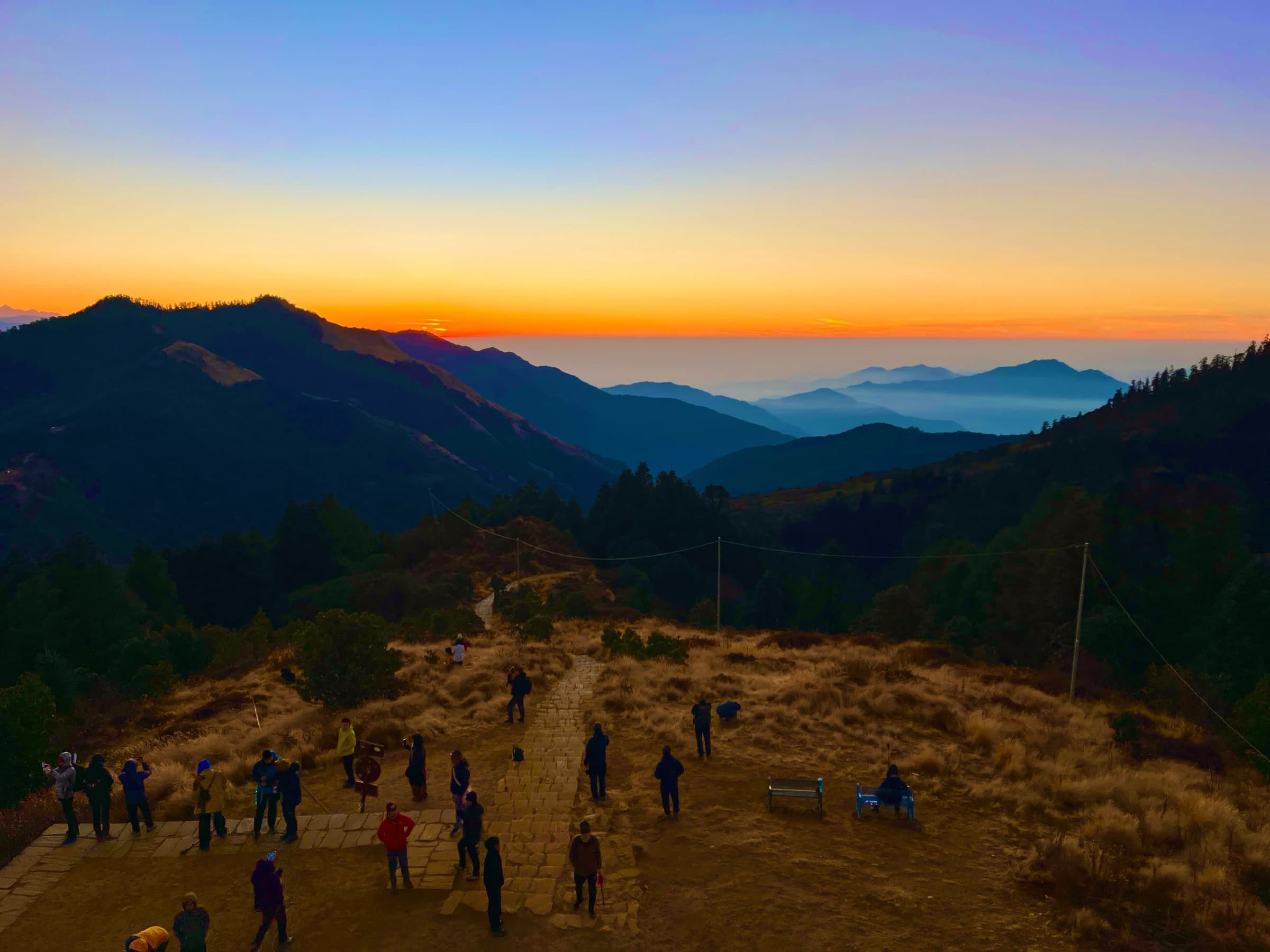
Ghorepani Poon Hill Trek
- Max altitude
- 3,210m
- Difficulty
- Moderate
- Best season
- Spring & Autumn
$210per person
