Kapuche Glacier Lake
Trek at a Glance
Price From
US$ 260 per person
Duration
3–4 days
Trip Grade
Moderate
Max. Altitude
2,546m
Best Season
Oct–May
Group Size
1–10 pax
Region
Annapurna
Accommodation
Lodge / Tea House
Meals
All meals (Backpacker: breakfast)
Start / End Point
Pokhara
Permits
ACAP, TIMS card
Kapuche Glacier Lake Overview

Itinerary designed by Rohit Timilsina, Co-Founder & Lead Guide Verified local guide
A short but spectacular trek to Nepal's lowest glacial lake, tucked beneath the Annapurna II massif, bright turquoise water and dramatic rock walls.
The Kapuche Glacier Lake trek is one of the routes our team guides closest to home. We drive roughly forty kilometres north of Pokhara to Sikles, a Gurung village that still runs at its own pace, featuring terraced fields, an eco-museum, and the Chili Kohinbo temple. From there, we walk into the hills. The lake itself sits at 2,546 metres, making it accessible to a much wider range of people than anything up the Annapurna Sanctuary or Manang valley.
The terrain between Sikles and the lake changes character quickly, starting on open ridges with clear views of Lamjung Himal, Annapurna II, and IV. We then drop into oak and rhododendron forest where the trail becomes rockier and narrower. After a final two-hour push along a rougher path, the lake appears: flat, cold, glacier-fed, and surrounded by high rock walls. If timed right, you may hear blocks of ice calving into the water. Many are surprised by how remote it feels after such a short approach.
Sikles village is worth your attention before leaving. The Gurung community here has worked hard to keep their heritage visible. The eco-museum has good exhibits on the Bon religion and local natural history. Homestay accommodation is available and provided homemade food is honest. This trek is a good choice for those wanting a real sense of the hills around Pokhara without committing to a week-long expedition.
Who this trek is for: Anyone based in Pokhara who wants a genuine mountain experience in 3 to 4 days will find this trek suitable. It is appropriate for families with older children, first-time trekkers, and repeat visitors who seek something off the main Annapurna routes. The lake sits at 2,546 metres, and there are no altitude concerns, as the trail involves no technical terrain. A moderate level of fitness is sufficient.
Kapuche Glacier Lake
2,546 m / 8,352 ftNepal's lowest glacial lake, fed directly by meltwater off Annapurna II and surrounded by vertical rock walls. On quiet mornings you can hear ice calve into the still turquoise water. Accessible in two days from Pokhara with no altitude concern.
Kapuche Glacier Lake Highlights
- Turquoise-blue glacial lake
- Steep but rewarding ascent
- Views of Annapurna II and Lamjung Himal
- Off the mainstream Annapurna trail
Kapuche Glacier Lake Itinerary
| Day | Itinerary | Max Altitude | Duration |
|---|---|---|---|
| Day 1 | Pokhara to Sikles village | 1,981m / 6,499ft | 3 hours drive |
| Day 2 | Sikles village to Hugu | 2,100m / 6,890ft | 5-6 hours |
| Day 3 | Hugu to Kapuche Lake and back | 2,546m / 8,353ft | 2 hours each way |
| Day 4 | Hugu to Sikles village to Pokhara | 1,981m / 6,499ft | 5 hours hike + 3 hours drive |
Day 01: Pokhara to Sikles village
Duration3 hours driveAltitude1,981m / 6,499ftDrive of 3 hours to Sikles village. Acclimatisation day exploring the largest Gurung settlement in Nepal. Breakfast at Pokhara, lunch at Sikles village. Camp at Sikles village.
Day 02: Sikles village to Hugu
Duration5-6 hoursAltitude2,100m / 6,890ftElevation Gain+119 m5 to 6 hours of trekking through forest and the upper Madi Khola gorge to the herder camp at Hugu. Breakfast at Sikles, lunch on the way. Camp at Hugu.
Day 03: Hugu to Kapuche Lake and back
Duration2 hours each wayAltitude2,546m / 8,353ftElevation Gain+446 mBreakfast at Hugu, then a 2-hour hike to Kapuche Lake. Time on the shore of the world's lowest-altitude glacier lake, then back to camp at Hugu. Lunch and camp at Hugu.
Day 04: Hugu to Sikles village to Pokhara
Duration5 hours hike + 3 hours driveAltitude1,981m / 6,499ftElevation Gain-565 mBreakfast at Hugu, lunch at Sikles. 5 hours of hike back to Sikles, then a 3-hour drive back to Pokhara.
Your Trek Is Prepared & Led by a Local Guide
 Govt. License #1497
Rohit Timilsina
Co-Founder & Lead Guide · 6K Nepal Treks
Hi, I'm Rohit Timilsina
I started 6K Nepal Treks to give travellers the trek I would want myself: small groups, honest prices and a guide who actually knows the trail. I have guided across the Annapurna, Manaslu and Everest regions for over five years, and I design every itinerary on this site personally.
“Whether it is your first teahouse trek or your tenth Himalayan expedition, I want you back home telling everyone it was the best trip of your life.”
Kapuche Glacier Lake Cost & What's Included
Pick a comfort level to see exactly what its package covers. Prices by group size are in the booking card.
What is included in this trek package?
What is excluded in this trek package?
Kapuche Glacier Lake Reviews
4.9★ from 90+ Google Reviews
Trekkers guided from 30+ countries.
“Just returned from completing a 2 day trek with Rohit as our guide to Kapuche Glacier lake. It was a challenging but fantastic experience thanks to his professional skills his passion for the mountains and his outgoing and friendly personality. He was always there to guide and motivate us even up the never ending stairs!! His support and sense of humour got us safely to our destination and back again. If we return to Nepal we will definitely meet again.”
Karen Smith ★
Kapuche Glacier Lake · 2025
Why Book With 6K Nepal Treks
Licensed & Insured
Registered with Nepal Tourism Board, TAAN and NMA. Fully insured for trekking, climbing, and high-altitude emergencies.
Expert Local Guides
Every trek is led by a licensed, first-aid trained Sherpa or Gurung guide, born and raised in these mountains.
Safety First
Pulse oximeter and emergency oxygen carried on all high-altitude treks. Helicopter evacuation protocol on standby.
Small Groups
Maximum 12 trekkers per group, and one porter per two guests whenever porters are part of your package. You are a person, not a tour number.
Fair & Transparent Pricing
No hidden fees. Every quote itemises exactly what your package covers and what it does not, so nothing lands on you at the trailhead.
Responsible Travel
Fair wages for all staff, eco-friendly practices on the trail, and direct support for the mountain communities we work with.
Know Before You Go
The Kapuche Glacier Lake trek is rated Easy-Moderate. The jeep drive to Sikles is long and bumpy on a rough road, often harder on the body than the walking itself. The trail from Sikles to Hugu Goth features a steady gradient with no technical sections, though the forest floor can be slippery after rain. The final push from Hugu to the lake involves rougher terrain and a steeper approach along a stream gorge.
The maximum altitude of around 2,546 metres is well below the threshold where altitude sickness becomes a concern for most. Walking times are 5-6 hours on the main trekking day, manageable for anyone with basic fitness. Good footwear with ankle support is recommended for the rocky lake approach, and trekking poles help on the descent. The trail is not marked or maintained to the standard of the main Annapurna routes, so a local guide familiar with this specific trail is strongly advised.
Preparation should focus on cardiovascular endurance for 5-6 hours of walking per day. Your footwear needs to be broken in before you arrive, and ankle support is crucial on this route. There is no phone signal beyond Sikles, so inform someone of your plans before leaving Pokhara. Simple first aid supplies should be in your pack: blister treatments, anti-diarrheal medication, and basic pain relief. Start early each day, eat and drink properly, and don't rush the lake approach.
Annapurna Conservation Area Permit (ACAP) is needed, costing NPR 3,000 for foreigners and NPR 100 for SAARC nationals per person. This permit is required for the entire Annapurna Conservation Area and can be purchased at the ACAP office or Nepal Tourism Board counter in Pokhara.
A TIMS Card (Trekkers' Information Management System) is also required, costing NPR 2,000 for independent trekkers and NPR 1,000 for groups. This card is available at Nepal Tourism Board offices in Pokhara and Kathmandu. Our team handles all permit paperwork.
Kapuche Glacier Lake sits at approximately 2,546 metres, a comfortable altitude for nearly all trekkers. It is unlikely to experience altitude-related symptoms unless arriving in Nepal very recently and not yet acclimated. The altitude gain from Pokhara to the lake, just under 1,700 metres, happens gradually over the jeep ride and two days of walking, with no rapid ascent to trigger acute mountain sickness. If experiencing discomfort on the lake approach, rest and drink water. Symptoms should pass within an hour at this altitude.
Accommodation in Sikles is primarily homestay-style, with local Gurung families providing beds and home-cooked meals. The experience is genuine, featuring shared bathrooms and wooden bed frames. A few basic lodges operate in the village. Hugu Goth has limited accommodation, typically a simple shelter used by herders, so most itineraries keep Sikles as the overnight base. Pack your lunch and snacks for the lake day as there are no teahouses or food resupply points between Hugu and Kapuche Lake. Drinking water should be treated or boiled.
The following is a solid starting point for most multi-day treks we run. Adjust for the season and the maximum altitude of your specific route. Shorter, lower-altitude hikes need far less than this full list. For the key insulation items (down jacket and four-season sleeping bag) we offer rental in Kathmandu or Pokhara for USD 35 each.
General
- Four-season (zero degree) sleeping bag (rental available: USD 35)
- Insulated down jacket (rental available: USD 35)
- Daypack, 30 to 45 litres, with rain cover
- Sleeping bag liner
Head & Face
- Sun hat or cap
- Beanie or knitted hat for colder mornings and evenings
- Buff or neck gaiter
- Sunglasses with full UV protection
- Headlamp with spare batteries
Upper Body
- Technical base layer shirts, two
- Technical long-sleeve shirts, two
- Fleece or synthetic mid-layer
- Waterproof and windproof shell jacket
Lower Body
- Hiking pants, two pairs
- Technical base-layer leggings for cold mornings
- Waterproof or windproof outer shell pants
- Comfortable pants for evenings in the teahouse
Hands
- Lightweight liner gloves
- Insulated outer gloves for high altitude or winter conditions
Feet
- Waterproof trekking boots with ankle support, broken in before the trip
- Hiking socks, three to five pairs
- Liner socks if prone to blisters
- Comfortable shoes or sandals for evenings
- Microspikes recommended November to March on routes above 4,000m
First Aid & Medications
- Personal prescription medications
- SPF 50+ sunscreen and SPF lip balm
- Blister care, plasters, and antiseptic cream
- Electrolyte sachets or tablets
- Note: our guides carry a comprehensive group first aid kit with pulse oximeter
Other Essentials
- Passport, two passport-sized photos, and photocopies of travel documents
- One-litre reusable water bottle or hydration bladder
- Trekking poles (strongly recommended)
- Small toiletry kit, quick-dry towel, and toilet paper
- High-protein snacks for the trail (bars, nuts)
- Waterproof dry bag for documents and electronics
- We provide a free duffel bag at your pre-trip meeting, used for luggage carried by the porter. The duffel stays yours afterwards.
- One porter is assigned per two trekkers. The duffel bag should weigh no more than 10 kg / 22 lbs per person.
- Always carry your own daypack with essentials: cash, documents, water, camera, rain gear.
- Non-trekking luggage can be stored securely at your hotel in Kathmandu or Pokhara.
- Down jacket and four-season sleeping bag are available for rent at USD 35 each. Loss or damage reimbursement is USD 100 per item.
Guide & Porter Services
Every trek is led by a government-licensed, English-speaking lead guide who is also trained in first aid and high-altitude emergency response. For groups of seven or more we add an assistant guide. Porters are assigned one per two trekkers, each carrying up to 10 kg of your main luggage so you only carry a daypack. All staff wages, accommodation, meals, gear, and insurance are fully covered in the package price.
Accommodation Bookings
We pre-book every night's accommodation before you start, so you never arrive at a full teahouse during peak season. Nights before and after the trek are in 3-star hotels in Kathmandu or Pokhara with breakfast included. On the trail you stay in tea houses or local lodges on a twin-sharing basis, with the best available rooms in each village. Private rooms and en-suite bathrooms are available where offered, usually at lower altitudes.
Transportation Arrangements
All ground transfers are arranged by private or shared tourist vehicles as specified in the itinerary. Airport pick-up and drop-off are included. Where a domestic flight is required (for example, Kathmandu to Lukla for Everest, or Jomsom to Pokhara for Mustang routes), the round-trip fare is covered in the package. We monitor flight and road conditions daily and adjust logistics proactively when weather or landslides affect the schedule.
Equipment Rental
A four-season sleeping bag and an insulated down jacket can be rented in Kathmandu or Pokhara at USD 35 per item for the duration of the trek. Trekking poles, microspikes, and additional layers are also available on request. We supply a 75-litre duffel bag for you to keep at your pre-trip briefing. A full packing checklist is sent after you book so you can pack with confidence.
Insurance Requirements
Comprehensive travel insurance is mandatory for every trek we operate. Your policy must explicitly cover trekking at the maximum altitude of your route and include emergency helicopter evacuation, medical treatment, and trip cancellation. Please send us a copy of your policy at least two weeks before departure. We cannot start the trek without confirmation of valid coverage. This is for your safety and ours.
Good to know. Arrive in Pokhara at least one day before departure so there is time for your pre-trip briefing and any last-minute gear hire. We can store spare luggage while you trek.
FAQs for Kapuche Glacier Lake
Choose your package, price per person (USD)
Other packages
Free cancellation up to 30 days
No booking fees, 30% deposit
Licensed operator (#1497)
You may also like
Similar Treks

Khumai Korchan Trek
- Max altitude
- 3,682m
- Difficulty
- Moderate
- Best season
- Autumn, Winter +
$270per person
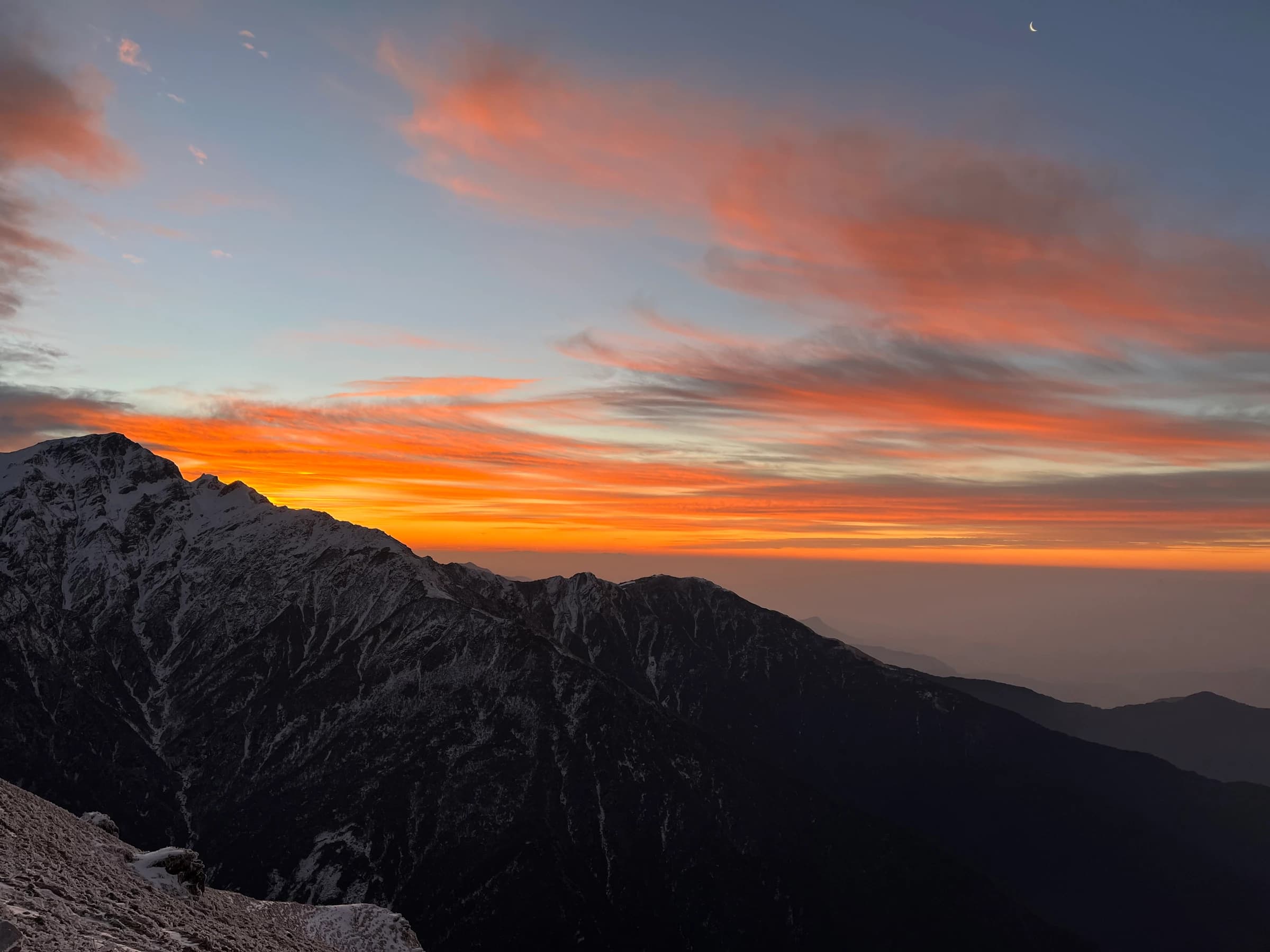
Mardi Himal Trek
- Max altitude
- 4,500m
- Difficulty
- Moderate
- Best season
- Autumn, Winter +
$290per person
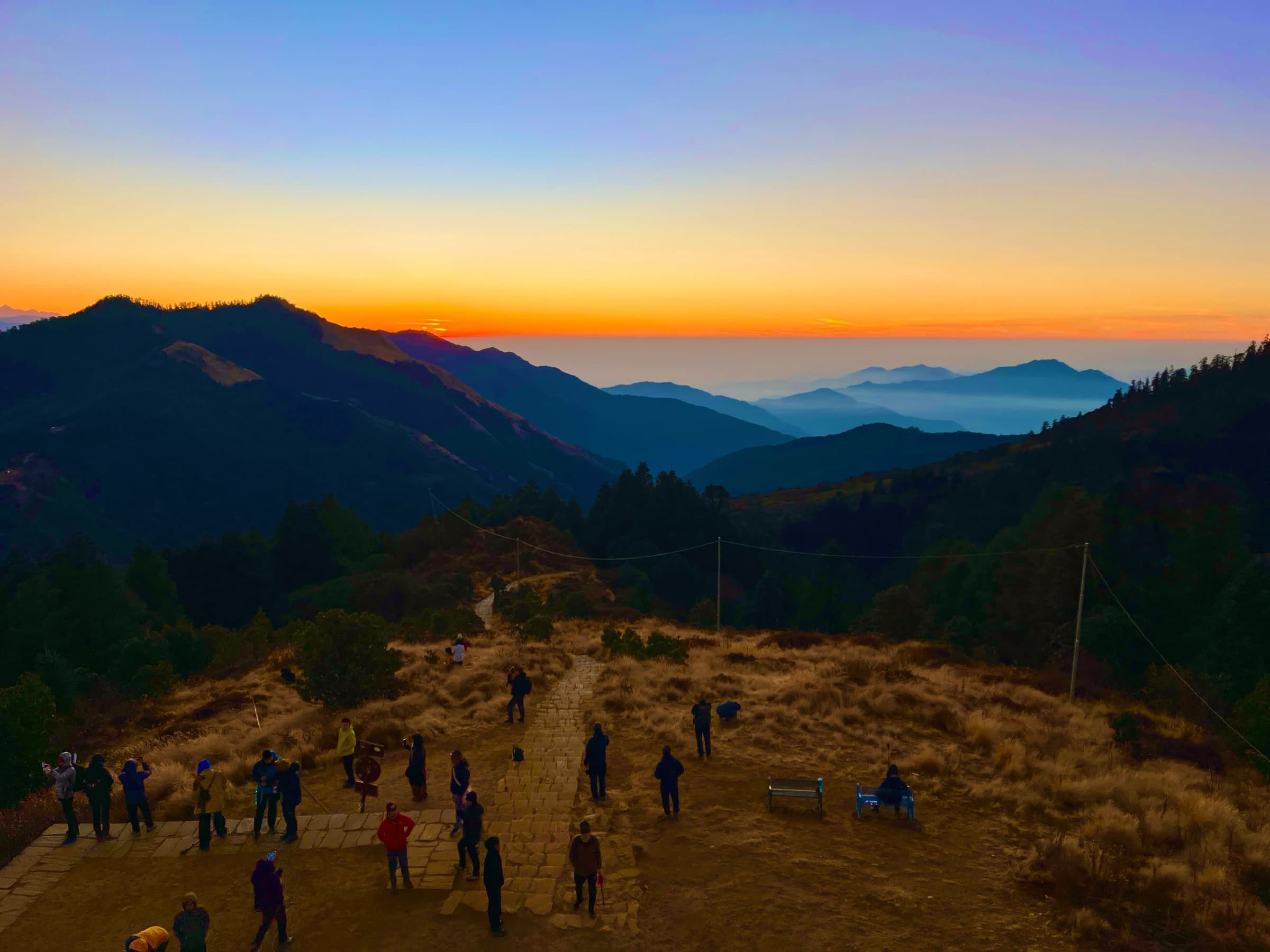
Ghorepani Poon Hill Trek
- Max altitude
- 3,210m
- Difficulty
- Moderate
- Best season
- Spring & Autumn
$210per person
Kori Hill Trek
- Max altitude
- 3,800m
- Difficulty
- Moderate
- Best season
- Summer & Autumn
$290per person
