Langtang Valley Trek
Trek at a Glance
Price From
Contact for pricing
Duration
7–10 days
Trip Grade
Moderate
Max. Altitude
4,984m
Best Season
Mar–May, Sep–Nov
Group Size
1–12 pax
Region
Langtang
Accommodation
Tea houses
Meals
Included
Start / End Point
Kathmandu
Permits
Langtang NP permit, TIMS card
Langtang Valley Trek Overview

Itinerary designed by Rohit Timilsina, Co-Founder & Lead Guide Verified local guide
Known as the 'Valley of Glaciers', Langtang offers stunning scenery just north of Kathmandu with rich Tamang culture.
Langtang Valley is the trek recommended for those seeking a genuine high-altitude Himalayan experience without the complexities of reaching the Everest or Annapurna regions. The journey begins just a few hours north of Kathmandu, making logistics simpler than many other challenging routes. This narrow, glacially-carved valley lined with Tamang villages and yak herds rewards trekkers immediately upon arrival.
Starting from Syabrubesi at 1,450m, the trail climbs steadily through beautiful rhododendron and pine forests, past earthquake-rebuilt settlements, to Kyanjin Gompa at 3,870m. This village serves as a base to explore the upper valley, famous for its cheese factory and spectacular glacier views. Our team emphasises acclimatisation, recommending a rest day at Kyanjin before any ascent to the summit of Tsergo Ri at 4,984m, which offers breathtaking panoramic views of the surrounding peaks, including Langtang Lirung.
Kyanjin Ri
4,984 m / 16,352 ftA steep morning climb from Kyanjin Gompa rewards you with a 360-degree panorama over the Langtang Lirung glacier and the border peaks toward Tibet. Among the finest viewpoints accessible without technical climbing in the whole country.
Langtang Valley Trek Highlights
- Kyanjin Gompa ancient monastery
- Glacier views from Kyanjin Ri (4,984m)
- Traditional Tamang culture and yak cheese
- Langtang National Park wildlife
- Only 3 hours' drive from Kathmandu
Langtang Valley Trek Itinerary
| Day | Itinerary | Max Altitude | Distance | Duration |
|---|---|---|---|---|
| Day 1 | Kathmandu to Syabrubesi (1,550m) | — | — | 7-8 hours drive |
| Day 2 | Syabrubesi to Lama Hotel (2,470m) | 2,470m / 8,104ft | 11km / 6.8mi | 5-6 hours |
| Day 3 | Lama Hotel to Langtang Village (3,430m) | 3,430m / 11,253ft | 11km / 6.8mi | 5-6 hours |
| Day 4 | Langtang to Kyanjin Gompa (3,870m) | 3,870m / 12,697ft | 7km / 4.3mi | 4-5 hours |
| Day 5 | Explore Kyanjin Ri (4,984m) | 4,984m / 16,352ft | 6km / 3.7mi | 5-6 hours |
| Day 6 | Kyanjin to Lama Hotel | — | 18km / 11.2mi | 6-7 hours |
| Day 7 | Lama Hotel to Syabrubesi | — | 11km / 6.8mi | 5-6 hours |
| Day 8 | Drive to Kathmandu | — | — | 7-8 hours drive |
Day 01: Kathmandu to Syabrubesi (1,550m)
Duration7-8 hours driveThe drive from Kathmandu to Syabrubesi takes 7-8 hours through the scenic Trishuli River valley. The road winds through terraced hillsides, small towns, and dramatic river gorges.
As you approach Syabrubesi, the mountains become more prominent and the air noticeably cooler. The last section of road descends steeply into the Langtang Khola valley.
Syabrubesi is a small frontier town at the confluence of two rivers. It has basic but comfortable accommodation and is the starting point for both the Langtang and Gosaikunda treks.
Day 02: Syabrubesi to Lama Hotel (2,470m)
Distance11km / 6.8miDuration5-6 hoursAltitude2,470m / 8,104ftThe trail follows the Langtang Khola upstream through dense subtropical forest. The climb is steady, passing through bamboo groves, oak woodland, and towering rhododendrons.
The forest is home to red pandas, langur monkeys, and Himalayan black bears, though sightings require patience and luck. Bird life is abundant and colourful.
Lama Hotel is a collection of teahouses at a forest clearing. Despite the name, there is no hotel, but the lodges are comfortable with good food and warm blankets.
Day 03: Lama Hotel to Langtang Village (3,430m)
Distance11km / 6.8miDuration5-6 hoursAltitude3,430m / 11,253ftElevation Gain+960 mAs you climb higher, the dense forest gradually gives way to open pastures and the valley widens dramatically. The first views of Langtang Lirung (7,227m) appear ahead, its massive ice-clad face dominating the skyline.
You pass through traditional Tamang villages with prayer wheels, mani walls, and fluttering prayer flags. The culture here is heavily influenced by Tibet, which lies just across the mountains to the north.
Langtang Village was tragically destroyed in the 2015 earthquake but has been rebuilt with tremendous community spirit. The new lodges and memorial reflect both the tragedy and the resilience of the people.
Day 04: Langtang to Kyanjin Gompa (3,870m)
Distance7km / 4.3miDuration4-5 hoursAltitude3,870m / 12,697ftElevation Gain+440 mThe trail continues up the valley through yak pastures dotted with stone shelters and Buddhist chortens. Kyanjin Gompa is a small monastery and settlement at the head of the valley.
The famous yak cheese factory, originally established by a Swiss development project, produces delicious cheese that you can sample and buy. The monastery itself is centuries old and well worth visiting.
From Kyanjin Gompa, the views of Langtang Lirung, Dorje Lakpa, and the surrounding peaks are magnificent. This is a place to linger and absorb the mountain atmosphere.
Day 05: Explore Kyanjin Ri (4,984m)
Distance6km / 3.7miDuration5-6 hoursAltitude4,984m / 16,352ftElevation Gain+1,114 mToday is the highest point of the trek. The climb to Kyanjin Ri (4,984m) is steep but not technical, and the reward is a 360-degree panorama that stretches from Tibet to central Nepal.
Langtang Lirung fills the northern horizon, while to the south and east you can see Dorje Lakpa, Gangchhenpo, and Naya Kanga. On exceptionally clear days, the Tibetan plateau is visible to the north.
For those wanting an easier option, Tserko Ri (5,033m) is an alternative with equally stunning views, though it requires more time and fitness.
Day 06: Kyanjin to Lama Hotel
Distance18km / 11.2miDuration6-7 hoursThe descent retraces the beautiful valley with the mountains now behind you. The different light and perspective reveal details you may have missed on the way up.
You pass through Langtang Village again and continue down through the changing vegetation zones. The air becomes warmer and richer with each hour of descent.
Lama Hotel welcomes you back with the familiar comfort of its forest setting.
Day 07: Lama Hotel to Syabrubesi
Distance11km / 6.8miDuration5-6 hoursThe last trekking day takes you down through the forest to Syabrubesi. The descent is pleasant and fast, with the sound of the Langtang Khola for company.
In Syabrubesi, you can enjoy a hot shower and reflect on the journey through one of Nepal most beautiful and culturally rich valleys.
The Langtang Valley may be less famous than Everest or Annapurna, but those who trek here often consider it their favourite.
Day 08: Drive to Kathmandu
Duration7-8 hours driveThe drive back to Kathmandu retraces the scenic Trishuli valley route. You arrive in the capital by late afternoon with time to explore or rest.
The journey from glacial valleys to the bustling streets of Kathmandu is always a dramatic transition. The memories of the quiet mountains and warm Tamang hospitality will stay with you.
A farewell dinner in Thamel is the perfect way to end the trek and share stories from the trail.
Elevation Profile
Your Trek Is Prepared & Led by a Local Guide
 Govt. License #1497
Rohit Timilsina
Co-Founder & Lead Guide · 6K Nepal Treks
Hi, I'm Rohit Timilsina
I started 6K Nepal Treks to give travellers the trek I would want myself: small groups, honest prices and a guide who actually knows the trail. I have guided across the Annapurna, Manaslu and Everest regions for over five years, and I design every itinerary on this site personally.
“Whether it is your first teahouse trek or your tenth Himalayan expedition, I want you back home telling everyone it was the best trip of your life.”
Langtang Valley Trek Cost & What's Included
Here is exactly what this guided package covers. We price it per departure, so ask us for a quote for your group size and dates.
What is included in this trek package?
Accommodation
- Twin-sharing accommodation in tea houses or local lodges throughout the trek
- Hotel accommodation on nights before and after the trek where applicable (breakfast included)
Meals & Drinking Water
- All standard meals on the trail (breakfast, lunch, and dinner) with one hot drink per meal
- Purified drinking water throughout the trek (filter or purification tablets)
- Seasonal fruits when available
Transportation
- All ground transfers by private or shared tourist vehicle as per the itinerary
- Domestic flights where explicitly noted in the itinerary
Guide and Staff
- Experienced, first-aid trained, government-licensed, English-speaking lead guide
- Assistant guide for groups of 7 or more
- One porter per two trekkers for carrying main luggage (up to 10 kg per person)
- Wages, accommodation, meals, gear, and insurance for all trek staff
Permits
- All required trekking permits and conservation-area fees for the route
- TIMS (Trekkers' Information Management System) card where applicable
- All permit paperwork arranged before the trek starts
Safety and Support
- Comprehensive first aid kit including pulse oximeter for daily altitude checks
- Emergency oxygen on treks above 4,000m
- 24/7 operational support from our Pokhara office
- Trip completion certificate
What is excluded in this trek package?
Flights & Visa
- International flights and airport departure tax
- Nepal entry visa (USD 30 for 15 days, USD 50 for 30 days, USD 125 for 90 days, on arrival at Kathmandu airport)
Insurance & Personal Gear
- Travel insurance with high-altitude and emergency helicopter evacuation coverage (mandatory)
- Personal trekking gear, clothing and footwear
Meals Outside the Trail
- Lunch and dinner in Kathmandu or Pokhara before and after the trek
- Any beverages including alcoholic drinks, bottled and boiled water
Other
- Tips for trekking staff and drivers (recommended but not included)
- Hot showers, WiFi, and charging fees at tea houses
- Any personal expenses such as laundry, phone calls, or souvenirs
- Any additional costs caused by natural disasters, political disturbances, or flight delays
- Any items not explicitly listed in the Price Includes section
Langtang Valley Trek Reviews
4.9★ from 90+ Google Reviews
Trekkers guided from 30+ countries.
No published review names the Langtang Valley Trek yet.
See reviews from all our treksWhy Book With 6K Nepal Treks
Licensed & Insured
Registered with Nepal Tourism Board, TAAN and NMA. Fully insured for trekking, climbing, and high-altitude emergencies.
Expert Local Guides
Every trek is led by a licensed, first-aid trained Sherpa or Gurung guide, born and raised in these mountains.
Safety First
Pulse oximeter and emergency oxygen carried on all high-altitude treks. Helicopter evacuation protocol on standby.
Small Groups
Maximum 12 trekkers per group, and one porter per two guests whenever porters are part of your package. You are a person, not a tour number.
Fair & Transparent Pricing
No hidden fees. Every quote itemises exactly what your package covers and what it does not, so nothing lands on you at the trailhead.
Responsible Travel
Fair wages for all staff, eco-friendly practices on the trail, and direct support for the mountain communities we work with.
Know Before You Go
Langtang Valley is rated moderate, which is accurate for those with prior trekking experience and a respect for the acclimatisation schedule. The daily walking time averages 4-7 hours on well-maintained trails, but the sustained altitude above 3,870m can be physically demanding. The trail quality is generally good, though some sections are rough and may involve river crossings. The ascent from Syabrubesi to Kyanjin in three to four days can pose risks of Acute Mountain Sickness (AMS) if trekkers do not properly acclimatise. Our team recommends a slower pace with an extra day of rest for optimal acclimatisation.
To trek in Langtang Valley, trekkers must possess a Langtang National Park Entry Permit and a TIMS Card (Trekkers' Information Management System). The Langtang National Park Permit costs around NPR 3,390 for foreigners and is valid for one month. The TIMS card, required since February 2025 for all trekkers accompanied by a registered guide, costs about NPR 1,000.
Kyanjin Gompa at 3,870m presents real AMS risks, making acclimatisation strategies essential. The ascent profile from Syabrubesi to Kyanjin averages a rapid altitude gain, which requires a rest day for adjustment. Our team monitors for any symptoms of AMS and will prioritise health and safety when considering summit attempts.
Teahouse infrastructure in Langtang Valley has been thoroughly rebuilt and is generally in good condition. Accommodations vary from comfortable guesthouses in Syabrubesi to basic teahouses in Langtang village, with Kyanjin offering the best facilities. Meals commonly consist of yak cheese, traditional dal bhat, noodles, and eggs; enough cash should be carried as all establishments operate on a cash-only basis.
The following is a solid starting point for most multi-day treks we run. Adjust for the season and the maximum altitude of your specific route. Shorter, lower-altitude hikes need far less than this full list. For the key insulation items (down jacket and four-season sleeping bag) we offer rental in Kathmandu or Pokhara for USD 35 each.
General
- Four-season (zero degree) sleeping bag (rental available: USD 35)
- Insulated down jacket (rental available: USD 35)
- Daypack, 30 to 45 litres, with rain cover
- Sleeping bag liner
Head & Face
- Sun hat or cap
- Beanie or knitted hat for colder mornings and evenings
- Buff or neck gaiter
- Sunglasses with full UV protection
- Headlamp with spare batteries
Upper Body
- Technical base layer shirts, two
- Technical long-sleeve shirts, two
- Fleece or synthetic mid-layer
- Waterproof and windproof shell jacket
Lower Body
- Hiking pants, two pairs
- Technical base-layer leggings for cold mornings
- Waterproof or windproof outer shell pants
- Comfortable pants for evenings in the teahouse
Hands
- Lightweight liner gloves
- Insulated outer gloves for high altitude or winter conditions
Feet
- Waterproof trekking boots with ankle support, broken in before the trip
- Hiking socks, three to five pairs
- Liner socks if prone to blisters
- Comfortable shoes or sandals for evenings
- Microspikes recommended November to March on routes above 4,000m
First Aid & Medications
- Personal prescription medications
- SPF 50+ sunscreen and SPF lip balm
- Blister care, plasters, and antiseptic cream
- Electrolyte sachets or tablets
- Note: our guides carry a comprehensive group first aid kit with pulse oximeter
Other Essentials
- Passport, two passport-sized photos, and photocopies of travel documents
- One-litre reusable water bottle or hydration bladder
- Trekking poles (strongly recommended)
- Small toiletry kit, quick-dry towel, and toilet paper
- High-protein snacks for the trail (bars, nuts)
- Waterproof dry bag for documents and electronics
- We provide a free duffel bag at your pre-trip meeting, used for luggage carried by the porter. The duffel stays yours afterwards.
- One porter is assigned per two trekkers. The duffel bag should weigh no more than 10 kg / 22 lbs per person.
- Always carry your own daypack with essentials: cash, documents, water, camera, rain gear.
- Non-trekking luggage can be stored securely at your hotel in Kathmandu or Pokhara.
- Down jacket and four-season sleeping bag are available for rent at USD 35 each. Loss or damage reimbursement is USD 100 per item.
Guide & Porter Services
Every trek is led by a government-licensed, English-speaking lead guide who is also trained in first aid and high-altitude emergency response. For groups of seven or more we add an assistant guide. Porters are assigned one per two trekkers, each carrying up to 10 kg of your main luggage so you only carry a daypack. All staff wages, accommodation, meals, gear, and insurance are fully covered in the package price.
Accommodation Bookings
We pre-book every night's accommodation before you start, so you never arrive at a full teahouse during peak season. Nights before and after the trek are in 3-star hotels in Kathmandu or Pokhara with breakfast included. On the trail you stay in tea houses or local lodges on a twin-sharing basis, with the best available rooms in each village. Private rooms and en-suite bathrooms are available where offered, usually at lower altitudes.
Transportation Arrangements
All ground transfers are arranged by private or shared tourist vehicles as specified in the itinerary. Airport pick-up and drop-off are included. Where a domestic flight is required (for example, Kathmandu to Lukla for Everest, or Jomsom to Pokhara for Mustang routes), the round-trip fare is covered in the package. We monitor flight and road conditions daily and adjust logistics proactively when weather or landslides affect the schedule.
Equipment Rental
A four-season sleeping bag and an insulated down jacket can be rented in Kathmandu or Pokhara at USD 35 per item for the duration of the trek. Trekking poles, microspikes, and additional layers are also available on request. We supply a 75-litre duffel bag for you to keep at your pre-trip briefing. A full packing checklist is sent after you book so you can pack with confidence.
Insurance Requirements
Comprehensive travel insurance is mandatory for every trek we operate. Your policy must explicitly cover trekking at the maximum altitude of your route and include emergency helicopter evacuation, medical treatment, and trip cancellation. Please send us a copy of your policy at least two weeks before departure. We cannot start the trek without confirmation of valid coverage. This is for your safety and ours.
Good to know. Arrive in Kathmandu at least one day before departure so there is time for your pre-trip briefing and any last-minute gear hire. We can store spare luggage while you trek.
FAQs for Langtang Valley Trek
Private guided departure
Free cancellation up to 30 days
No booking fees, 30% deposit
Licensed operator (#1497)
You may also like
Similar Treks

Kapuche Glacier Lake
- Max altitude
- 2,546m
- Difficulty
- Moderate
- Best season
- Autumn, Winter +
$260per person

Khumai Korchan Trek
- Max altitude
- 3,682m
- Difficulty
- Moderate
- Best season
- Autumn, Winter +
$270per person
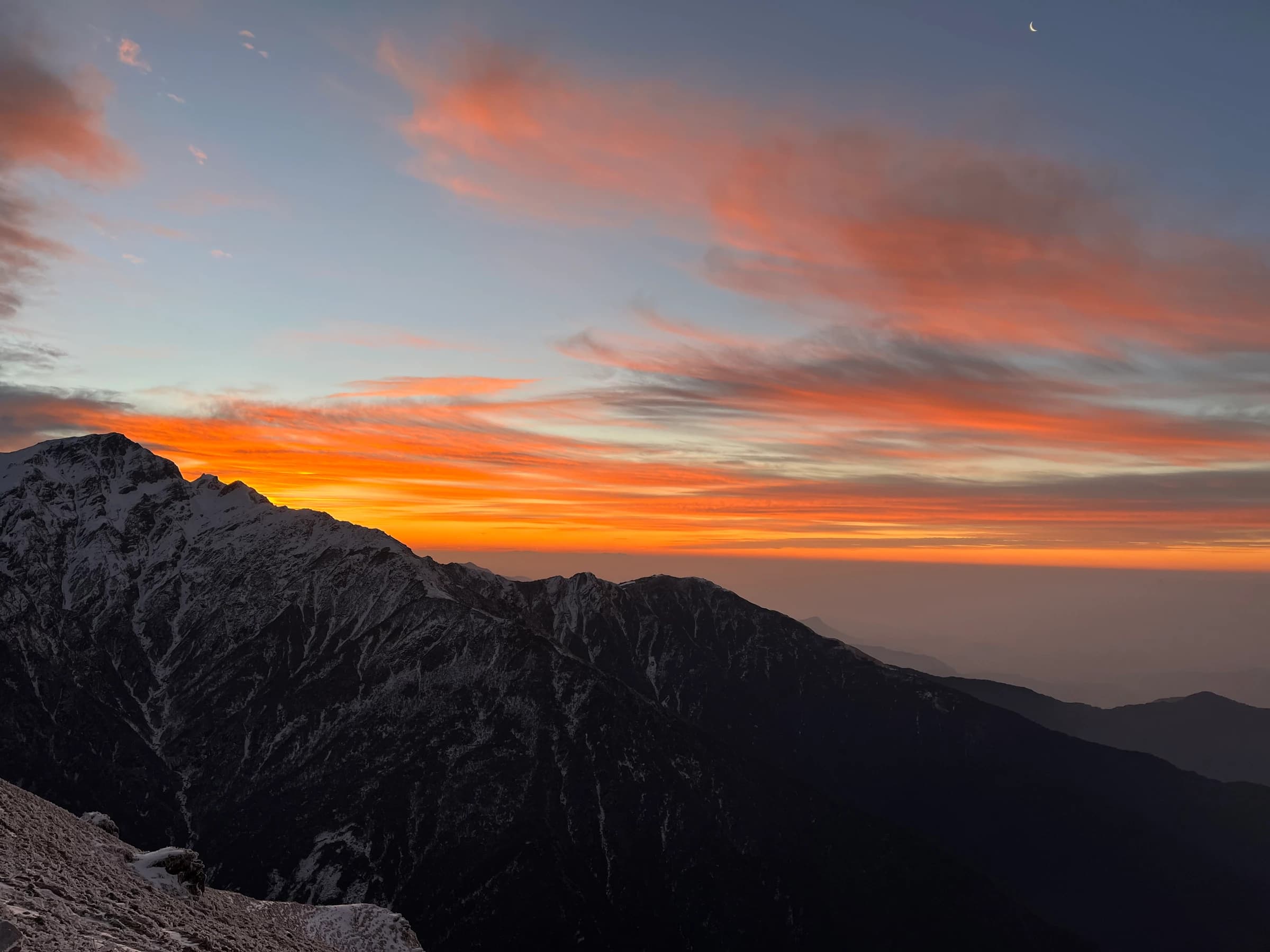
Mardi Himal Trek
- Max altitude
- 4,500m
- Difficulty
- Moderate
- Best season
- Autumn, Winter +
$290per person
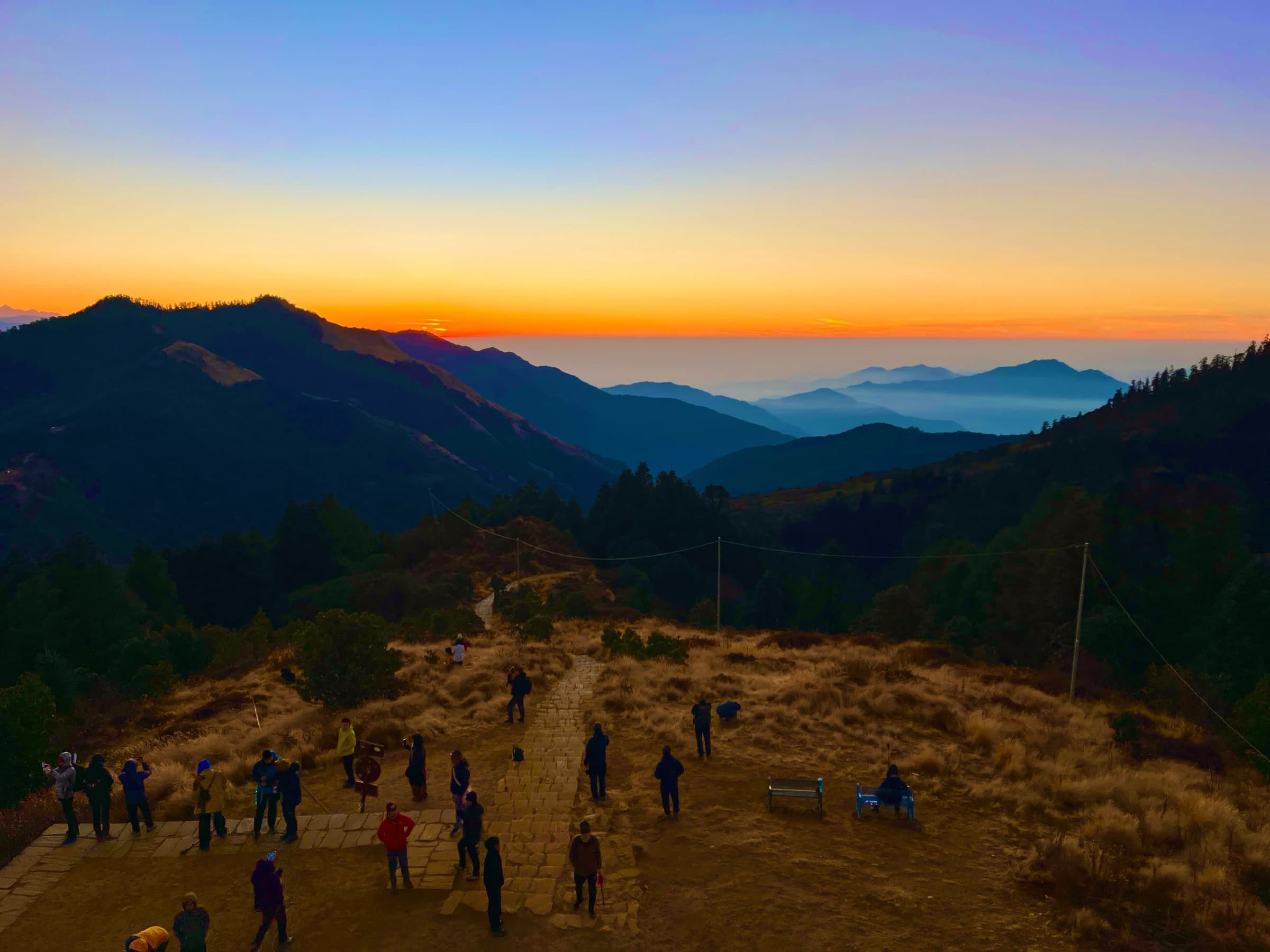
Ghorepani Poon Hill Trek
- Max altitude
- 3,210m
- Difficulty
- Moderate
- Best season
- Spring & Autumn
$210per person
