Tara Hill Top
Trek at a Glance
Price From
Contact for pricing
Duration
2–3 days
Trip Grade
Moderate
Max. Altitude
3,000m
Best Season
Oct–May
Group Size
1–10 pax
Region
Annapurna
Accommodation
Lodge / Tea House
Meals
B / L / D
Start / End Point
Pokhara
Permits
ACAP, TIMS card
Tara Hill Top Overview

Itinerary designed by Rohit Timilsina, Co-Founder & Lead Guide Verified local guide
An emerging short trek in the Kaski foothills with excellent views of Fishtail and a peaceful community-run trail off the main Annapurna circuit.
Tara Hill Top sits on the same ridge system as Sikles but approaches it from the south via Khadarjung and Ghalekharka, a route that sees a fraction of the foot traffic that the Sikles and Kori trails attract. The summit ridge at around 3,000m is open and exposed with a clear sightline north to Annapurna II, III and IV, west to Manaslu and down to the Madi River valley below. On a clear autumn morning you can see all of this before most of Pokhara has had breakfast.
Our team uses this trek as a quick get-away option for clients who have two full days to spare in Pokhara and want real mountains without committing to a week-long expedition. The drive to the roadhead at Khadarjung takes about two hours and from there the trail climbs steeply through rhododendron and mixed forest to the ridge camp at Ghalekharka. The second day gains the Tara Hilltop summit before returning or continuing on to Sikles for a longer variant.
This is a camping or basic-homestay trek. The upper sections have limited fixed infrastructure. Our team organises tents and a cook crew for groups that want a proper mountain camp at Ghalekharka and it makes a good night out: views of the Pokhara valley lights below and the Annapurna ridge above.
Who this trek is for: Anyone based in Pokhara who wants a genuine mountain experience in two days, no teahouse queues, no crowds, excellent views. Good for fit trekkers who have done higher-altitude routes elsewhere and simply want a short local outing. The steep ascent on day one requires solid fitness. Not suitable for people with knee problems given the steep descent. Note: upper trail infrastructure is minimal, we treat this as a camping trek for the summit camp.
Tara Hill Top Highlights
- 3,000m viewpoint with Machhapuchhre right in front
- Community-run teahouses
- Rhododendron forest
- Quiet alternative to Poon Hill
Tara Hill Top Itinerary
| Day | Itinerary |
|---|---|
| Day 1 | Pokhara to Khadarjung, trek to Ghalekharka (1,540m) |
| Day 2 | Ghalekharka to Tara Hilltop, return to Pokhara (3,000m) |
Day 01: Pokhara to Khadarjung, trek to Ghalekharka (1,540m)
Day 02: Ghalekharka to Tara Hilltop, return to Pokhara (3,000m)
Your Trek Is Prepared & Led by a Local Guide
 Govt. License #1497
Rohit Timilsina
Co-Founder & Lead Guide · 6K Nepal Treks
Hi, I'm Rohit Timilsina
I started 6K Nepal Treks to give travellers the trek I would want myself: small groups, honest prices and a guide who actually knows the trail. I have guided across the Annapurna, Manaslu and Everest regions for over five years, and I design every itinerary on this site personally.
“Whether it is your first teahouse trek or your tenth Himalayan expedition, I want you back home telling everyone it was the best trip of your life.”
Tara Hill Top Cost & What's Included
Here is exactly what this guided package covers. We price it per departure, so ask us for a quote for your group size and dates.
What is included in this trek package?
Accommodation
- Twin-sharing accommodation in tea houses or local lodges throughout the trek
- Hotel accommodation on nights before and after the trek where applicable (breakfast included)
Meals & Drinking Water
- All standard meals on the trail (breakfast, lunch, and dinner) with one hot drink per meal
- Purified drinking water throughout the trek (filter or purification tablets)
- Seasonal fruits when available
Transportation
- All ground transfers by private or shared tourist vehicle as per the itinerary
- Domestic flights where explicitly noted in the itinerary
Guide and Staff
- Experienced, first-aid trained, government-licensed, English-speaking lead guide
- Assistant guide for groups of 7 or more
- One porter per two trekkers for carrying main luggage (up to 10 kg per person)
- Wages, accommodation, meals, gear, and insurance for all trek staff
Permits
- All required trekking permits and conservation-area fees for the route
- TIMS (Trekkers' Information Management System) card where applicable
- All permit paperwork arranged before the trek starts
Safety and Support
- Comprehensive first aid kit including pulse oximeter for daily altitude checks
- Emergency oxygen on treks above 4,000m
- 24/7 operational support from our Pokhara office
- Trip completion certificate
What is excluded in this trek package?
Flights & Visa
- International flights and airport departure tax
- Nepal entry visa (USD 30 for 15 days, USD 50 for 30 days, USD 125 for 90 days, on arrival at Kathmandu airport)
Insurance & Personal Gear
- Travel insurance with high-altitude and emergency helicopter evacuation coverage (mandatory)
- Personal trekking gear, clothing and footwear
Meals Outside the Trail
- Lunch and dinner in Kathmandu or Pokhara before and after the trek
- Any beverages including alcoholic drinks, bottled and boiled water
Other
- Tips for trekking staff and drivers (recommended but not included)
- Hot showers, WiFi, and charging fees at tea houses
- Any personal expenses such as laundry, phone calls, or souvenirs
- Any additional costs caused by natural disasters, political disturbances, or flight delays
- Any items not explicitly listed in the Price Includes section
Tara Hill Top Reviews
4.9★ from 90+ Google Reviews
Trekkers guided from 30+ countries.
No published review names the Tara Hill Top yet.
See reviews from all our treksWhy Book With 6K Nepal Treks
Licensed & Insured
Registered with Nepal Tourism Board, TAAN and NMA. Fully insured for trekking, climbing, and high-altitude emergencies.
Expert Local Guides
Every trek is led by a licensed, first-aid trained Sherpa or Gurung guide, born and raised in these mountains.
Safety First
Pulse oximeter and emergency oxygen carried on all high-altitude treks. Helicopter evacuation protocol on standby.
Small Groups
Maximum 12 trekkers per group, and one porter per two guests whenever porters are part of your package. You are a person, not a tour number.
Fair & Transparent Pricing
No hidden fees. Every quote itemises exactly what your package covers and what it does not, so nothing lands on you at the trailhead.
Responsible Travel
Fair wages for all staff, eco-friendly practices on the trail, and direct support for the mountain communities we work with.
Know Before You Go
Rated Moderate. The main challenge is the steep sustained climb from Khadarjung to Ghalekharka and then Tara Hilltop. There is minimal flat ground between the roadhead and the summit ridge. The elevation gain is around 1,200m to 1,500m over a half-day walk. The descent uses the same steep terrain. For fit trekkers with good footwear this is entirely manageable; for those unused to steep uphill walking it will be demanding. Total altitude is moderate at 3,000m, no technical difficulty.
Focus on uphill fitness before this trek. Stair climbing, hill walking, or treadmill incline training will directly translate to the approach. The steep trail rewards good ankle stability and a broken-in boot over a trail runner. Our team carries first aid including a blister kit. Bring your own snacks for the ascent day. Food stops are not available above Ghalekharka on the Tara approach.
Annapurna Conservation Area Permit (ACAP) NPR 3,000 (foreigners) / NPR 1,000 (SAARC nationals). The route enters the Annapurna Conservation Area. Permit obtained in Pokhara before departure.
TIMS Card NPR 1,000 (with registered guide/agency) / NPR 2,000 (individual). Standard TIMS card for all organised trekking in Nepal. Our team handles all permit paperwork as licensed guides.
Maximum altitude is approximately 3,000m. At this level some trekkers notice mild altitude symptoms: slight headache, reduced appetite. The ascent is rapid, gaining over 1,000m in a single day, which increases the likelihood of mild symptoms compared to routes that ascend gradually. Staying well-hydrated, avoiding alcohol, and not pushing the ascent pace resolves most issues. If symptoms are more than mild, descend and the problem typically resolves within an hour.
Below Ghalekharka there are local households that sometimes offer simple food and a place to sleep. At Ghalekharka itself basic accommodation may be available in one or two local homes depending on season. This is not guaranteed and we typically arrange tents for the ridge camp. No teahouses exist on the Tara approach. Meals are prepared by our team or a cook from the group provisions, simple camp food or dal bhat from any household that has space for us. Plan for self-sufficiency above Khadarjung.
The following is a solid starting point for most multi-day treks we run. Adjust for the season and the maximum altitude of your specific route. Shorter, lower-altitude hikes need far less than this full list. For the key insulation items (down jacket and four-season sleeping bag) we offer rental in Kathmandu or Pokhara for USD 35 each.
General
- Four-season (zero degree) sleeping bag (rental available: USD 35)
- Insulated down jacket (rental available: USD 35)
- Daypack, 30 to 45 litres, with rain cover
- Sleeping bag liner
Head & Face
- Sun hat or cap
- Beanie or knitted hat for colder mornings and evenings
- Buff or neck gaiter
- Sunglasses with full UV protection
- Headlamp with spare batteries
Upper Body
- Technical base layer shirts, two
- Technical long-sleeve shirts, two
- Fleece or synthetic mid-layer
- Waterproof and windproof shell jacket
Lower Body
- Hiking pants, two pairs
- Technical base-layer leggings for cold mornings
- Waterproof or windproof outer shell pants
- Comfortable pants for evenings in the teahouse
Hands
- Lightweight liner gloves
- Insulated outer gloves for high altitude or winter conditions
Feet
- Waterproof trekking boots with ankle support, broken in before the trip
- Hiking socks, three to five pairs
- Liner socks if prone to blisters
- Comfortable shoes or sandals for evenings
- Microspikes recommended November to March on routes above 4,000m
First Aid & Medications
- Personal prescription medications
- SPF 50+ sunscreen and SPF lip balm
- Blister care, plasters, and antiseptic cream
- Electrolyte sachets or tablets
- Note: our guides carry a comprehensive group first aid kit with pulse oximeter
Other Essentials
- Passport, two passport-sized photos, and photocopies of travel documents
- One-litre reusable water bottle or hydration bladder
- Trekking poles (strongly recommended)
- Small toiletry kit, quick-dry towel, and toilet paper
- High-protein snacks for the trail (bars, nuts)
- Waterproof dry bag for documents and electronics
- We provide a free duffel bag at your pre-trip meeting, used for luggage carried by the porter. The duffel stays yours afterwards.
- One porter is assigned per two trekkers. The duffel bag should weigh no more than 10 kg / 22 lbs per person.
- Always carry your own daypack with essentials: cash, documents, water, camera, rain gear.
- Non-trekking luggage can be stored securely at your hotel in Kathmandu or Pokhara.
- Down jacket and four-season sleeping bag are available for rent at USD 35 each. Loss or damage reimbursement is USD 100 per item.
Guide & Porter Services
Every trek is led by a government-licensed, English-speaking lead guide who is also trained in first aid and high-altitude emergency response. For groups of seven or more we add an assistant guide. Porters are assigned one per two trekkers, each carrying up to 10 kg of your main luggage so you only carry a daypack. All staff wages, accommodation, meals, gear, and insurance are fully covered in the package price.
Accommodation Bookings
We pre-book every night's accommodation before you start, so you never arrive at a full teahouse during peak season. Nights before and after the trek are in 3-star hotels in Kathmandu or Pokhara with breakfast included. On the trail you stay in tea houses or local lodges on a twin-sharing basis, with the best available rooms in each village. Private rooms and en-suite bathrooms are available where offered, usually at lower altitudes.
Transportation Arrangements
All ground transfers are arranged by private or shared tourist vehicles as specified in the itinerary. Airport pick-up and drop-off are included. Where a domestic flight is required (for example, Kathmandu to Lukla for Everest, or Jomsom to Pokhara for Mustang routes), the round-trip fare is covered in the package. We monitor flight and road conditions daily and adjust logistics proactively when weather or landslides affect the schedule.
Equipment Rental
A four-season sleeping bag and an insulated down jacket can be rented in Kathmandu or Pokhara at USD 35 per item for the duration of the trek. Trekking poles, microspikes, and additional layers are also available on request. We supply a 75-litre duffel bag for you to keep at your pre-trip briefing. A full packing checklist is sent after you book so you can pack with confidence.
Insurance Requirements
Comprehensive travel insurance is mandatory for every trek we operate. Your policy must explicitly cover trekking at the maximum altitude of your route and include emergency helicopter evacuation, medical treatment, and trip cancellation. Please send us a copy of your policy at least two weeks before departure. We cannot start the trek without confirmation of valid coverage. This is for your safety and ours.
Good to know. Arrive in Pokhara at least one day before departure so there is time for your pre-trip briefing and any last-minute gear hire. We can store spare luggage while you trek.
FAQs for Tara Hill Top
Private guided departure
Free cancellation up to 30 days
No booking fees, 30% deposit
Licensed operator (#1497)
You may also like
Similar Treks

Kapuche Glacier Lake
- Max altitude
- 2,546m
- Difficulty
- Moderate
- Best season
- Autumn, Winter +
$260per person

Khumai Korchan Trek
- Max altitude
- 3,682m
- Difficulty
- Moderate
- Best season
- Autumn, Winter +
$270per person
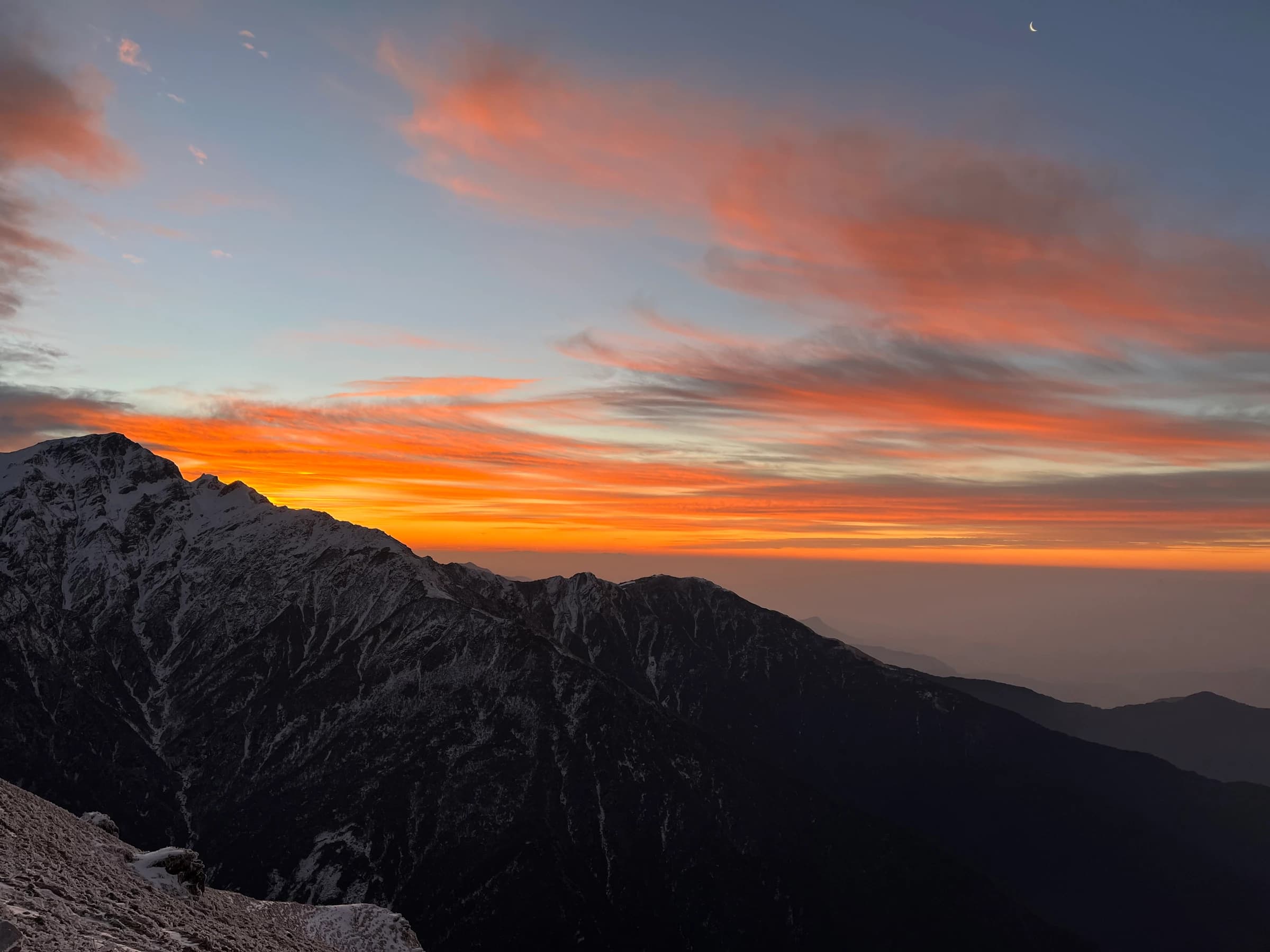
Mardi Himal Trek
- Max altitude
- 4,500m
- Difficulty
- Moderate
- Best season
- Autumn, Winter +
$290per person
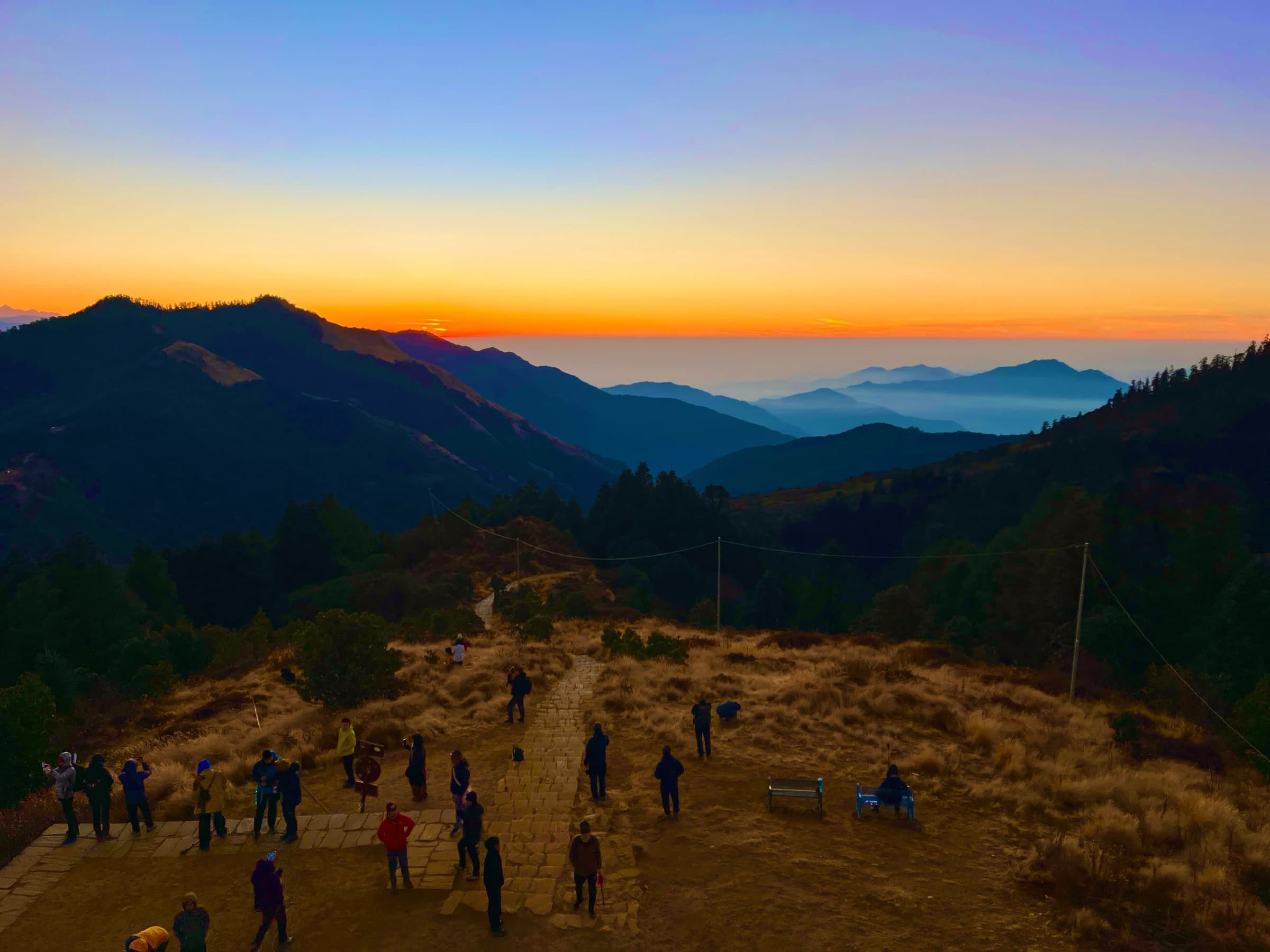
Ghorepani Poon Hill Trek
- Max altitude
- 3,210m
- Difficulty
- Moderate
- Best season
- Spring & Autumn
$210per person
