Everest Three Passes Trek
Trek at a Glance
Price From
US$ 1699 per person
Duration
17-18 days
Trip Grade
Strenuous
Max. Altitude
5,545m
Best Season
Mar-May, Sep-Nov
Group Size
Priced for 3 pax
Region
Everest
Accommodation
Tea houses
Meals
All meals
Start / End Point
Kathmandu / Kathmandu
Permits
Sagarmatha NP permit, Pasang Lhamu permit
Everest Three Passes Trek Overview

Itinerary designed by Rohit Timilsina, Co-Founder & Lead Guide Verified local guide
A 17-day loop through the Khumbu over Kongma La (5,535m), Cho La (5,420m) and Renjo La (5,360m), with Everest Base Camp, Kala Patthar and the Gokyo lakes on the way.
The Everest Three Passes Trek is the full circuit of the Khumbu. Instead of walking up to Everest Base Camp and back down the same trail, you make a loop through three valleys and cross three high passes: Kongma La at 5,535m, Cho La at 5,420m and Renjo La at 5,360m. Everest Base Camp and the Kala Patthar viewpoint (5,545m) sit in the middle of the route, and the Gokyo lakes come after Cho La.
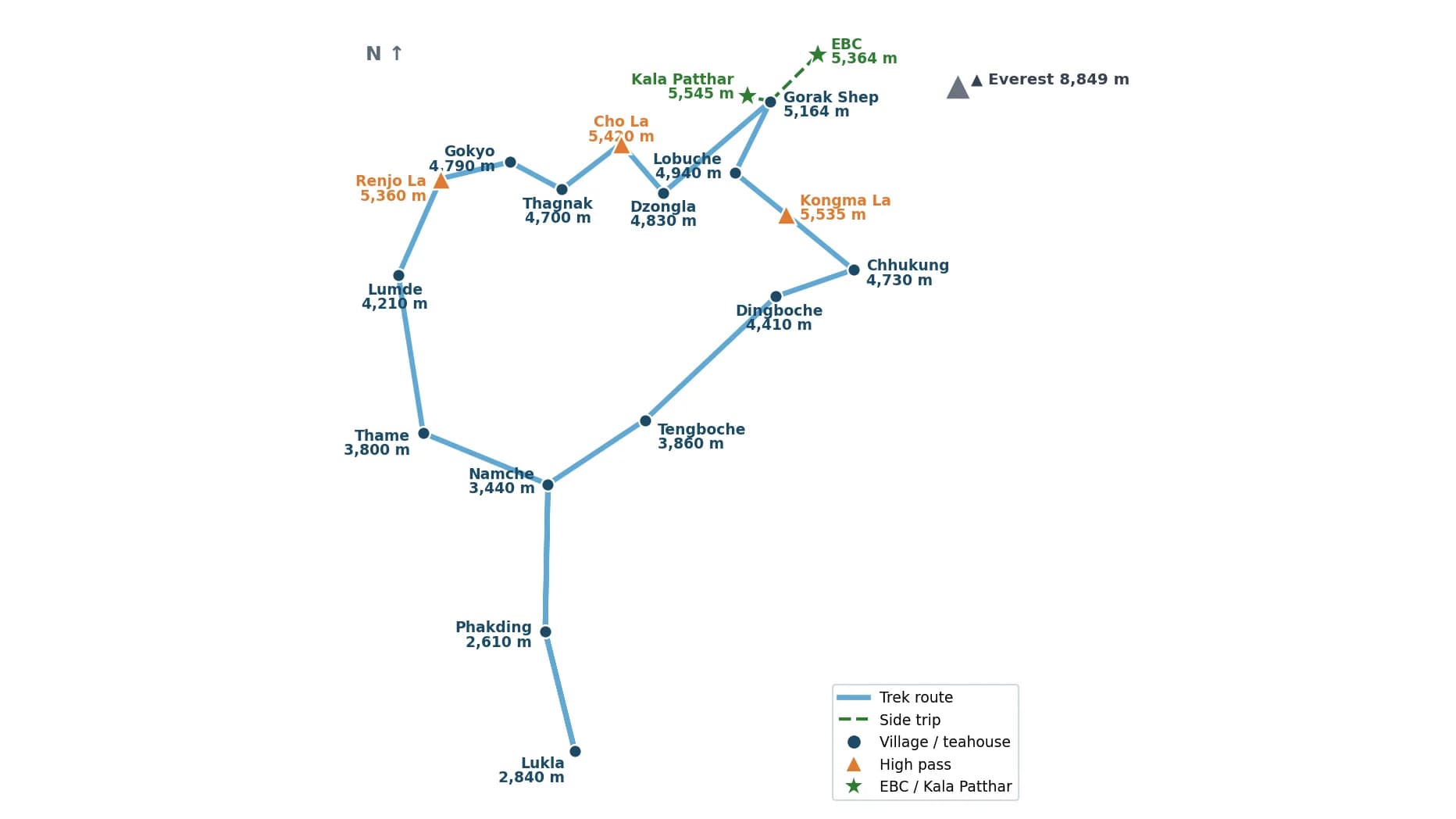
We walk the loop anticlockwise. After flying into Lukla, you gain height slowly, with acclimatisation days at Namche and Dingboche, before the first pass. From there it is Kongma La to Lobuche, Base Camp and Kala Patthar, Cho La to Gokyo, a sunrise on Gokyo Ri, then Renjo La and the quiet walk back through Thame to Namche and Lukla.
This is a strenuous trek. The pass days are 7 to 9 hours at altitude, and Cho La means crossing a glacier. It suits fit trekkers who already have some multi-day trekking behind them. You trek with a government-licensed guide who knows all three passes, and you can choose a package with the Lukla flight and porters included.
Kongma La, Cho La and Renjo La
5,535 m / 18,159 ftThree passes above 5,300m on one loop. Kongma La is the highest at 5,535m, Cho La crosses a glacier at 5,420m, and Renjo La at 5,360m looks back across the Gokyo lakes to Everest.
Everest Three Passes Trek Highlights
- Cross three high passes: Kongma La (5,535m), Cho La (5,420m) and Renjo La (5,360m)
- Stand at Everest Base Camp (5,364m)
- Watch sunrise on Everest from Kala Patthar (5,545m), the highest point of the trek
- Climb Gokyo Ri (5,357m) above the turquoise Gokyo lakes
- Cross the Ngozumpa Glacier on the way to Gokyo
- Acclimatise in Namche Bazaar and Dingboche before the passes
- Walk back through Thame, a quiet Sherpa valley away from the main trail
Everest Three Passes Trek Itinerary
| Day | Itinerary | Max Altitude | Duration |
|---|---|---|---|
| Day 1 | Fly to Lukla, Trek to Phakding (2,610m) | 2,610m / 8,563ft | 3-4 hours |
| Day 2 | Phakding to Namche Bazaar (3,440m) | 3,440m / 11,286ft | About 6 hours |
| Day 3 | Acclimatisation Day in Namche (3,440m) | 3,440m / 11,286ft | Acclimatisation hike |
| Day 4 | Namche to Tengboche (3,860m) | 3,860m / 12,664ft | About 5 hours |
| Day 5 | Tengboche to Dingboche (4,410m) | 4,410m / 14,469ft | 5-6 hours |
| Day 6 | Acclimatisation Hike to Nangkartshang (5,083m) | 4,410m / 14,469ft | Acclimatisation hike |
| Day 7 | Dingboche to Chhukung (4,730m) | 4,730m / 15,518ft | Short day |
| Day 8 | Chhukung to Lobuche over Kongma La (5,535m) | 4,940m / 16,207ft | 8-9 hours |
| Day 9 | Lobuche to Everest Base Camp (5,364m), Overnight Gorak Shep | 5,164m / 16,942ft | 7-8 hours |
| Day 10 | Kala Patthar Sunrise (5,545m), Descend to Dzongla | 4,830m / 15,846ft | 7-8 hours |
| Day 11 | Dzongla to Thagnak over Cho La (5,420m) | 4,700m / 15,420ft | 7-8 hours |
| Day 12 | Thagnak to Gokyo (4,790m) | 4,790m / 15,715ft | 3-4 hours |
| Day 13 | Gokyo Ri Sunrise (5,357m), Rest Day at Gokyo | 4,790m / 15,715ft | About 3 hours |
| Day 14 | Gokyo to Lumde over Renjo La (5,360m) | 4,210m / 13,812ft | 7-8 hours |
| Day 15 | Lumde to Namche via Thame (3,440m) | 3,440m / 11,286ft | 6-7 hours |
| Day 16 | Namche to Lukla (2,840m) | 2,840m / 9,318ft | 6-7 hours |
| Day 17 | Fly Lukla to Kathmandu (1,400m) | 1,400m / 4,593ft | Flight |
| Day 18 | Buffer Day | — | Spare day |
Day 01: Fly to Lukla, Trek to Phakding (2,610m)
Duration3-4 hoursAltitude2,610m / 8,563ftAn early flight takes you from Kathmandu, or from Ramechhap (Manthali) in peak season, to Tenzing-Hillary Airport at Lukla (2,840m). You meet the rest of the crew, then walk a short, mostly downhill stretch along the Dudh Koshi to Phakding.
The first day is deliberately easy. You lose a little height after landing, which gives your body a gentle start before the climb to Namche.
Day 02: Phakding to Namche Bazaar (3,440m)
DurationAbout 6 hoursAltitude3,440m / 11,286ftElevation Gain+830 mThe trail follows the Dudh Koshi upstream, crossing it several times on suspension bridges, and enters Sagarmatha National Park at Monjo. The last part is the long climb up the hill to Namche Bazaar, the main Sherpa town of the Khumbu.
On a clear day you get your first view of Everest on the way up.
Day 03: Acclimatisation Day in Namche (3,440m)
DurationAcclimatisation hikeAltitude3,440m / 11,286ftElevation Gain0 mA rest day for your body, not your legs. You hike up to the Everest View area and Khumjung village, then come back down to sleep in Namche. Climbing high and sleeping low is the simplest way to help your body adjust.
The afternoon is free to explore Namche's bakeries, gear shops and lanes.
Day 04: Namche to Tengboche (3,860m)
DurationAbout 5 hoursAltitude3,860m / 12,664ftElevation Gain+420 mA balcony trail above the Dudh Koshi with Ama Dablam ahead of you most of the way. After dropping to the river at Phunki Thenga, the path climbs through forest to Tengboche and its monastery, the best known in the Khumbu.
Day 05: Tengboche to Dingboche (4,410m)
Duration5-6 hoursAltitude4,410m / 14,469ftElevation Gain+550 mYou drop through rhododendron forest to Deboche, cross the Imja Khola and climb past Pangboche into open, high country. Dingboche sits in a wide valley of stone-walled fields below Ama Dablam and Island Peak.
Day 06: Acclimatisation Hike to Nangkartshang (5,083m)
DurationAcclimatisation hikeAltitude4,410m / 14,469ftMax Elevation5,083m / 16,677ftElevation Gain0 mYour second acclimatisation day. You climb the ridge above Dingboche towards Nangkartshang Peak for views of Makalu, Lhotse and Ama Dablam, then return to Dingboche for the night.
This is your first time above 5,000m, a useful test before the passes begin.
Day 07: Dingboche to Chhukung (4,730m)
DurationShort dayAltitude4,730m / 15,518ftElevation Gain+320 mA short walk up the Imja valley to Chhukung, the last settlement before Kongma La. The short day keeps you rested for tomorrow, the longest of the trek.
Day 08: Chhukung to Lobuche over Kongma La (5,535m)
Duration8-9 hoursAltitude4,940m / 16,207ftMax Elevation5,535m / 18,159ftElevation Gain+210 mThe first and highest of the three passes. You start before dawn and climb steadily over rock and moraine, past small glacial lakes, to the prayer flags on Kongma La at 5,535m. The descent is steep, and you then cross the Khumbu Glacier to reach Lobuche.
This is a long, hard day. Your guide sets the pace and the turnaround time.
Day 09: Lobuche to Everest Base Camp (5,364m), Overnight Gorak Shep
Duration7-8 hoursAltitude5,164m / 16,942ftMax Elevation5,364m / 17,598ftElevation Gain+224 mYou walk up beside the Khumbu Glacier to Gorak Shep, drop your bags, and continue to Everest Base Camp at 5,364m. You then return to Gorak Shep (5,164m) for the night.
Day 10: Kala Patthar Sunrise (5,545m), Descend to Dzongla
Duration7-8 hoursAltitude4,830m / 15,846ftMax Elevation5,545m / 18,192ftElevation Gain-334 mAn early climb to Kala Patthar at 5,545m, the highest point of the trek and the classic close view of Everest at sunrise. After breakfast back at Gorak Shep, you head down the valley and turn west to Dzongla, the base for Cho La.
Day 11: Dzongla to Thagnak over Cho La (5,420m)
Duration7-8 hoursAltitude4,700m / 15,420ftMax Elevation5,420m / 17,782ftElevation Gain-130 mThe second pass. A steep climb leads to the Cho La glacier, which you cross to the top of the pass at 5,420m. Ice cleats are often needed here, and your guide will check conditions before you set off. A rocky descent brings you to Thagnak.
Day 12: Thagnak to Gokyo (4,790m)
Duration3-4 hoursAltitude4,790m / 15,715ftElevation Gain+90 mA short day across the Ngozumpa Glacier, the large glacier at the head of the Gokyo valley. On the far side you reach Gokyo village, set on the shore of the third Gokyo lake.
Day 13: Gokyo Ri Sunrise (5,357m), Rest Day at Gokyo
DurationAbout 3 hoursAltitude4,790m / 15,715ftMax Elevation5,357m / 17,575ftElevation Gain0 mAn early climb up Gokyo Ri (5,357m) for a sunrise view of Everest, Lhotse, Makalu and Cho Oyu above the Gokyo lakes and the Ngozumpa Glacier. The rest of the day is easy, back at the lakeside in Gokyo.
Day 14: Gokyo to Lumde over Renjo La (5,360m)
Duration7-8 hoursAltitude4,210m / 13,812ftMax Elevation5,360m / 17,585ftElevation Gain-580 mThe third and last pass. You climb from the lakeshore to Renjo La at 5,360m, then look back east across the Gokyo lakes to Everest. A long descent takes you down to Lumde (Marlung) in the Bhote Koshi valley.
Day 15: Lumde to Namche via Thame (3,440m)
Duration6-7 hoursAltitude3,440m / 11,286ftElevation Gain-770 mYou follow the Bhote Koshi down through Thame, a quiet Sherpa village with its own monastery, and back to Namche. This valley is much quieter than the main trail.
Day 16: Namche to Lukla (2,840m)
Duration6-7 hoursAltitude2,840m / 9,318ftElevation Gain-600 mThe last day on foot. You retrace the Dudh Koshi trail down past Monjo and Phakding, then make one final climb to Lukla. It is your last night in the mountains with the crew.
Day 17: Fly Lukla to Kathmandu (1,400m)
DurationFlightAltitude1,400m / 4,593ftElevation Gain-1,440 mA morning flight back to Kathmandu, or to Ramechhap with a drive on to Kathmandu in peak season. Lukla flights depend on the weather, so this day can slip.
Day 18: Buffer Day
DurationSpare dayA spare day for weather delays on the Lukla flight, or for a slower pace on the trail. If you don't need it, it is a free day in Kathmandu. We strongly recommend you keep it, and don't book a tight international connection right after the trek.
Elevation Profile
Route Map
Your Trek Is Prepared & Led by a Local Guide
 Govt. License #1497
Rohit Timilsina
Co-Founder & Lead Guide · 6K Nepal Treks
Hi, I'm Rohit Timilsina
I started 6K Nepal Treks to give travellers the trek I would want myself: small groups, honest prices and a guide who actually knows the trail. I have guided across the Annapurna, Manaslu and Everest regions for over five years, and I design every itinerary on this site personally.
“Whether it is your first teahouse trek or your tenth Himalayan expedition, I want you back home telling everyone it was the best trip of your life.”
Everest Three Passes Trek Cost & What's Included
Pick a package to see exactly what it covers. Prices are per person for a group of 3, shown in the booking card.
What is included in this trek package?
What is excluded in this trek package?
Everest Three Passes Trek Reviews
4.9★ from 90+ Google Reviews
Trekkers guided from 30+ countries.
No published review names the Everest Three Passes Trek yet.
See reviews from all our treksWhy Book With 6K Nepal Treks
Licensed & Insured
Registered with Nepal Tourism Board, TAAN and NMA. Fully insured for trekking, climbing, and high-altitude emergencies.
Expert Local Guides
Every trek is led by a licensed, first-aid trained Sherpa or Gurung guide, born and raised in these mountains.
Safety First
Pulse oximeter and emergency oxygen carried on all high-altitude treks. Helicopter evacuation protocol on standby.
Small Groups
Maximum 12 trekkers per group, and one porter per two guests whenever porters are part of your package. You are a person, not a tour number.
Fair & Transparent Pricing
No hidden fees. Every quote itemises exactly what your package covers and what it does not, so nothing lands on you at the trailhead.
Responsible Travel
Fair wages for all staff, eco-friendly practices on the trail, and direct support for the mountain communities we work with.
Know Before You Go
Lukla's Tenzing-Hillary Airport is one of the most weather-sensitive airports in the world. Flights can be delayed or cancelled at short notice, sometimes for a full day or more, because of cloud, wind or low visibility at Kathmandu, Ramechhap or Lukla.
In spring and autumn, flights usually leave from Ramechhap (Manthali), about a 4 to 5 hour drive from Kathmandu, often before dawn. This is normal and built into the plan.
If flights are disrupted, you can wait for the next available flight or charter a helicopter at extra cost. Costs from weather delays, such as extra hotel nights, meals, other transport or a helicopter, are not included in the package price. Keep 1 to 2 buffer days at the end of the trek, and don't book a tight international connection right after it.
You need two permits for the Everest Three Passes Trek: the Sagarmatha National Park permit and the Khumbu Pasang Lhamu Rural Municipality permit. Both are included in every package, and we arrange them for you.
The best seasons are spring (March to May) and autumn (September to November). The weather is most stable then, and the passes are usually in their best condition.
Winter brings heavy cold and snow on the passes, and the monsoon (June to August) brings cloud and rain that often stop Lukla flights. We don't recommend either for this route.
It is strenuous. All three passes, Everest Base Camp and Kala Patthar sit above 5,000m, and you cross the passes over several 7 to 9 hour days at altitude. Cho La includes a glacier crossing.
Good cardiovascular fitness and some earlier multi-day trekking are strongly advised. The route gains height slowly, with acclimatisation days at Namche and Dingboche before the first pass, and your guide adjusts the pace to the group.
The following is a solid starting point for most multi-day treks we run. Adjust for the season and the maximum altitude of your specific route. Shorter, lower-altitude hikes need far less than this full list. For the key insulation items (down jacket and four-season sleeping bag) we offer rental in Kathmandu or Pokhara for USD 35 each.
General
- Four-season (zero degree) sleeping bag (rental available: USD 35)
- Insulated down jacket (rental available: USD 35)
- Daypack, 30 to 45 litres, with rain cover
- Sleeping bag liner
Head & Face
- Sun hat or cap
- Beanie or knitted hat for colder mornings and evenings
- Buff or neck gaiter
- Sunglasses with full UV protection
- Headlamp with spare batteries
Upper Body
- Technical base layer shirts, two
- Technical long-sleeve shirts, two
- Fleece or synthetic mid-layer
- Waterproof and windproof shell jacket
Lower Body
- Hiking pants, two pairs
- Technical base-layer leggings for cold mornings
- Waterproof or windproof outer shell pants
- Comfortable pants for evenings in the teahouse
Hands
- Lightweight liner gloves
- Insulated outer gloves for high altitude or winter conditions
Feet
- Waterproof trekking boots with ankle support, broken in before the trip
- Hiking socks, three to five pairs
- Liner socks if prone to blisters
- Comfortable shoes or sandals for evenings
- Microspikes recommended November to March on routes above 4,000m
First Aid & Medications
- Personal prescription medications
- SPF 50+ sunscreen and SPF lip balm
- Blister care, plasters, and antiseptic cream
- Electrolyte sachets or tablets
- Note: our guides carry a comprehensive group first aid kit with pulse oximeter
Other Essentials
- Passport, two passport-sized photos, and photocopies of travel documents
- One-litre reusable water bottle or hydration bladder
- Trekking poles (strongly recommended)
- Small toiletry kit, quick-dry towel, and toilet paper
- High-protein snacks for the trail (bars, nuts)
- Waterproof dry bag for documents and electronics
- We provide a free duffel bag at your pre-trip meeting, used for luggage carried by the porter. The duffel stays yours afterwards.
- One porter is assigned per two trekkers. The duffel bag should weigh no more than 10 kg / 22 lbs per person.
- Always carry your own daypack with essentials: cash, documents, water, camera, rain gear.
- Non-trekking luggage can be stored securely at your hotel in Kathmandu or Pokhara.
- Down jacket and four-season sleeping bag are available for rent at USD 35 each. Loss or damage reimbursement is USD 100 per item.
Guide & Porter Services
Every trek is led by a government-licensed, English-speaking lead guide who is also trained in first aid and high-altitude emergency response. For groups of seven or more we add an assistant guide. Porters are assigned one per two trekkers, each carrying up to 10 kg of your main luggage so you only carry a daypack. All staff wages, accommodation, meals, gear, and insurance are fully covered in the package price.
Accommodation Bookings
We pre-book every night's accommodation before you start, so you never arrive at a full teahouse during peak season. Nights before and after the trek are in 3-star hotels in Kathmandu or Pokhara with breakfast included. On the trail you stay in tea houses or local lodges on a twin-sharing basis, with the best available rooms in each village. Private rooms and en-suite bathrooms are available where offered, usually at lower altitudes.
Transportation Arrangements
All ground transfers are arranged by private or shared tourist vehicles as specified in the itinerary. Airport pick-up and drop-off are included. Where a domestic flight is required (for example, Kathmandu to Lukla for Everest, or Jomsom to Pokhara for Mustang routes), the round-trip fare is covered in the package. We monitor flight and road conditions daily and adjust logistics proactively when weather or landslides affect the schedule.
Equipment Rental
A four-season sleeping bag and an insulated down jacket can be rented in Kathmandu or Pokhara at USD 35 per item for the duration of the trek. Trekking poles, microspikes, and additional layers are also available on request. We supply a 75-litre duffel bag for you to keep at your pre-trip briefing. A full packing checklist is sent after you book so you can pack with confidence.
Insurance Requirements
Comprehensive travel insurance is mandatory for every trek we operate. Your policy must explicitly cover trekking at the maximum altitude of your route and include emergency helicopter evacuation, medical treatment, and trip cancellation. Please send us a copy of your policy at least two weeks before departure. We cannot start the trek without confirmation of valid coverage. This is for your safety and ours.
Good to know. Arrive in Kathmandu at least one day before departure so there is time for your pre-trip briefing and any last-minute gear hire. We can store spare luggage while you trek.
FAQs for Everest Three Passes Trek
Plan Your Everest Three Passes Trek
Choose your package, price per person (USD)
Other packages
Prices are per person for a group of 3 sharing one guide. Solo trekkers and pairs pay more, so message us with your group size for an exact quote.
Travelling as a bigger group? Message us for a group rate.Free cancellation up to 30 days
No booking fees, 30% deposit
Licensed operator (#1497)
You may also like
Similar Treks
Kapuche Glacier Lake
- Max altitude
- 2,546m
- Difficulty
- Moderate
- Best season
- Autumn, Winter +
$260per person
Khumai Korchan Trek
- Max altitude
- 3,682m
- Difficulty
- Moderate
- Best season
- Autumn, Winter +
$270per person
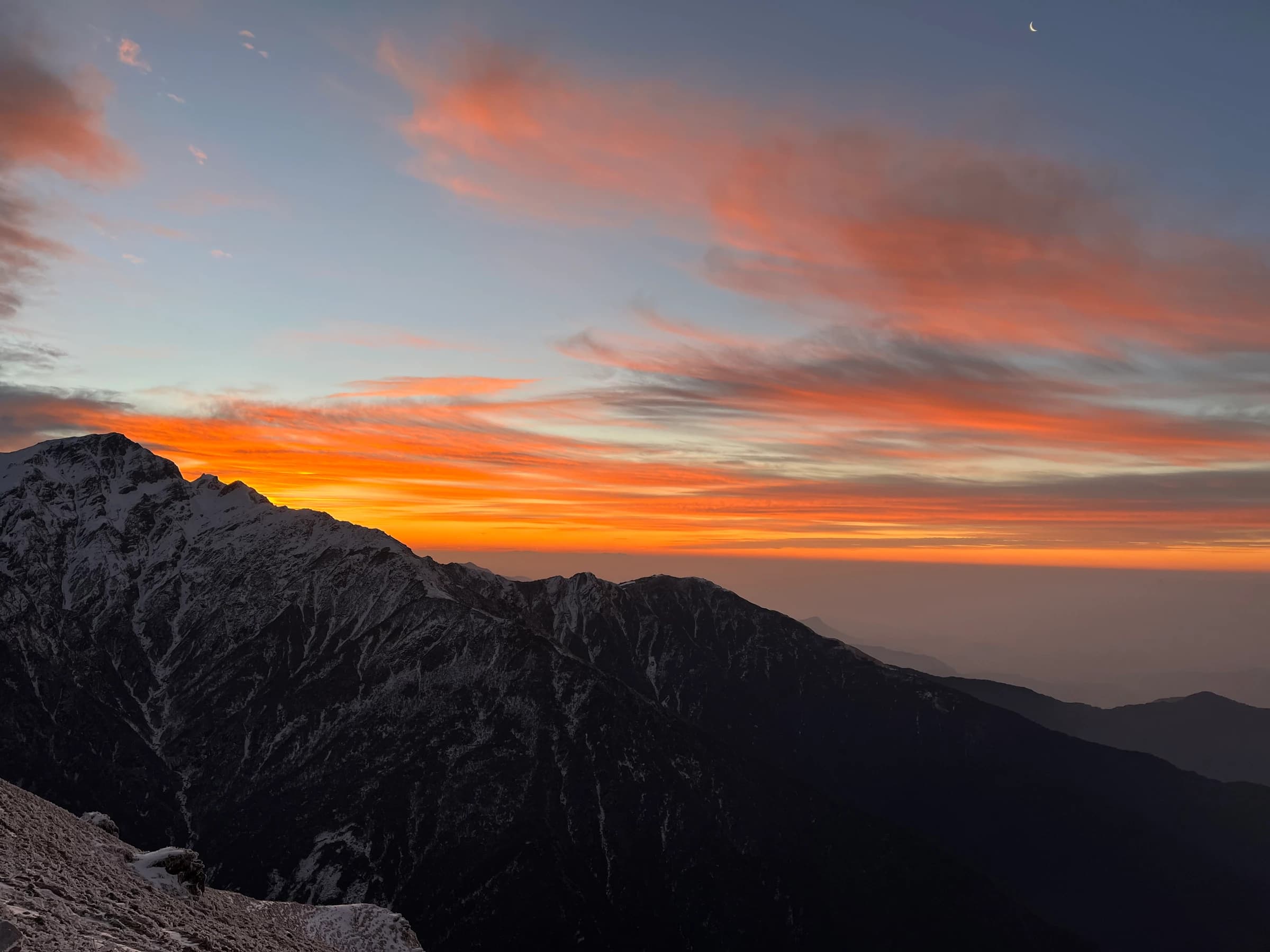
Mardi Himal Trek
- Max altitude
- 4,500m
- Difficulty
- Moderate
- Best season
- Autumn, Winter +
$290per person
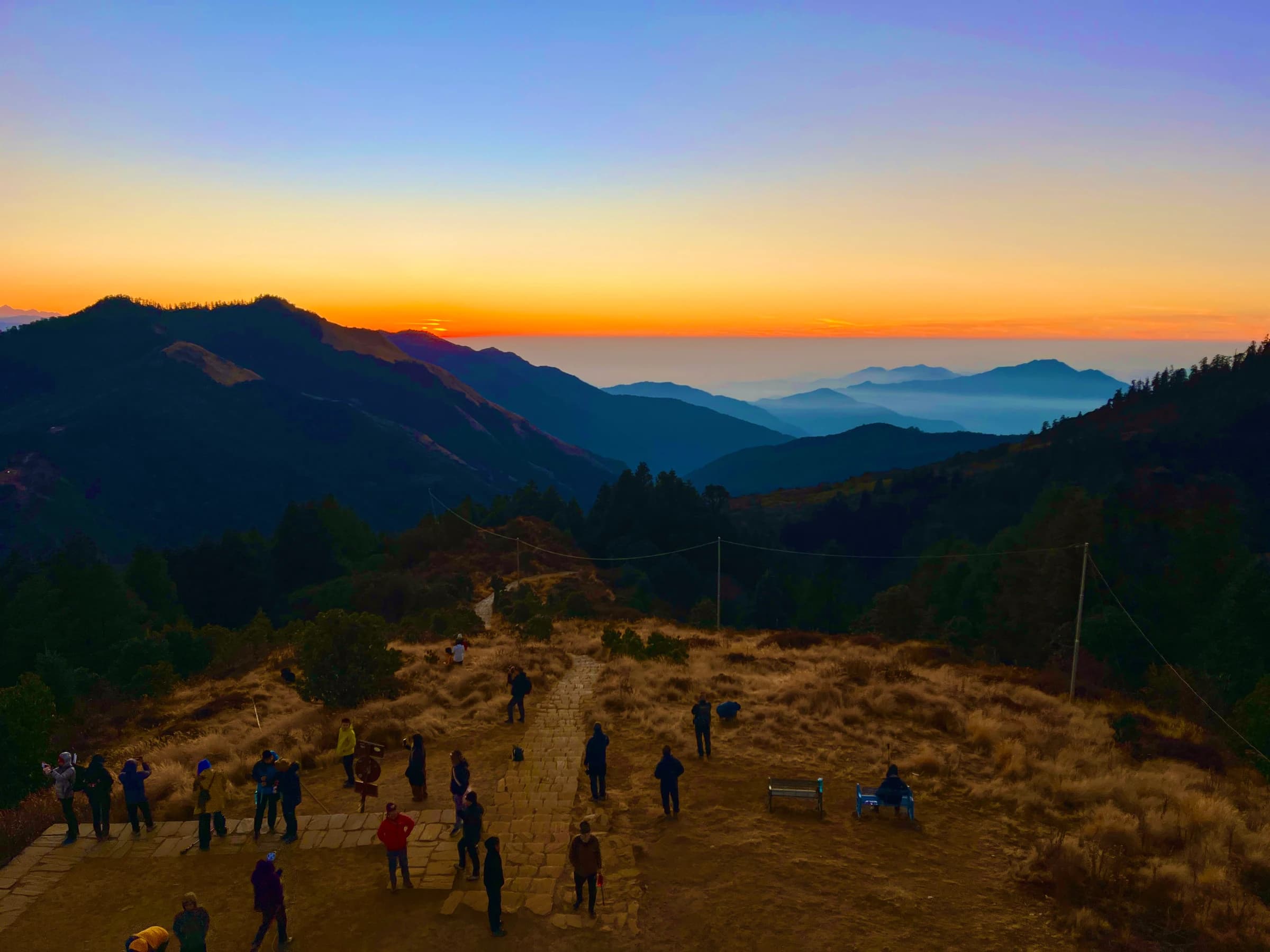
Ghorepani Poon Hill Trek
- Max altitude
- 3,210m
- Difficulty
- Moderate
- Best season
- Spring & Autumn
$210per person
